Filed Under Story

Hedden's Grove Neighborhood

In August 1860, at a site beside the Charlestown Road on the northeast side of New Albany, Black Americans gathered to celebrate the emancipation of enslaved people in the West Indies a quarter-century before. Speaking before the group, a Reverend Kelly declared, “I say that you have a duty to perform, if you want freedom you must battle for it, I do not counsel you to open rebellion, but to use every lawful means to abolish slavery from our land.” He added: “All we ask for is our just rights, for the privilege . . . to vote.” On the eve of the Civil War, Black Americans expressed their yearnings for freedom and demonstrated the strength of anti-slavery sentiment in New Albany. Today, the site where they gathered is part of Hedden’s Grove, a residential neighborhood named for an early landowner, David Hedden.

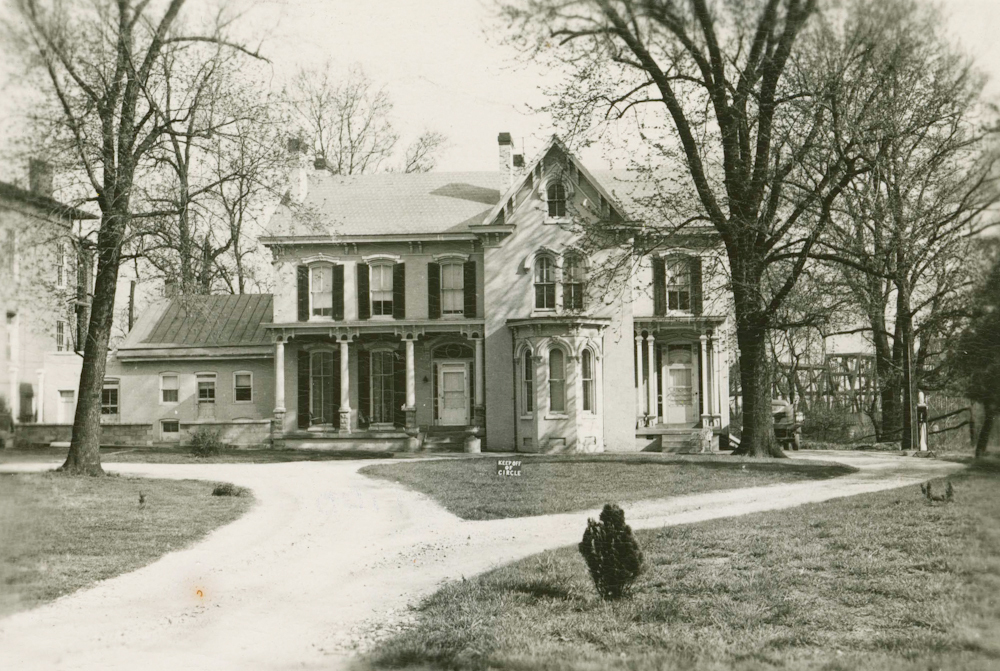
A native of New Jersey, Hedden arrived in Floyd County about 1820 at the age of eighteen. He clerked in a store for about a year and in 1829 formed a partnership with the store’s owner, with Elias Ayres, “one of the early merchants of New Albany.” Later he opened the Hedden Dry Goods Company at the corner of State and Market streets. In 1867 he built a house at a cost of $10,000 across from the Floyd County Fair Grounds. He and his wife had at least eight children, with eight surviving into the 1880s. Given that Hedden allowed the 1860 gathering on his property, he almost surely held antislavery sentiments. After the Civil War, blacks continued to hold emancipation celebrations in the area. In September 1886, for example, Black Americans gathered near Hedden’s residence to celebrate the cause of freedom and the struggles of their people.

In the early twentieth century, several of Hedden’s children subdivided portions of the property he had amassed for residential development. Improvements to Charlestown Road, the advent of the automobile, and construction of an interurban railway that reached Silver Street by 1924 created demand for houses on the outskirts of the city. In 1905, lots between what is today Hedden Park and Silver Street were laid out and others followed in the 1920s. In 1925-26, Arthur Shoo, a developer, built five Craftsman-style bungalows on Charlestown Road. In 1928, the founding of the David Hedden Realty Company signaled the beginning of efforts to promote house sales in the area. The company created a model home on Hedden Court and began selling handsome residences to eager buyers, many of them prominent figures in New Albany business circles.

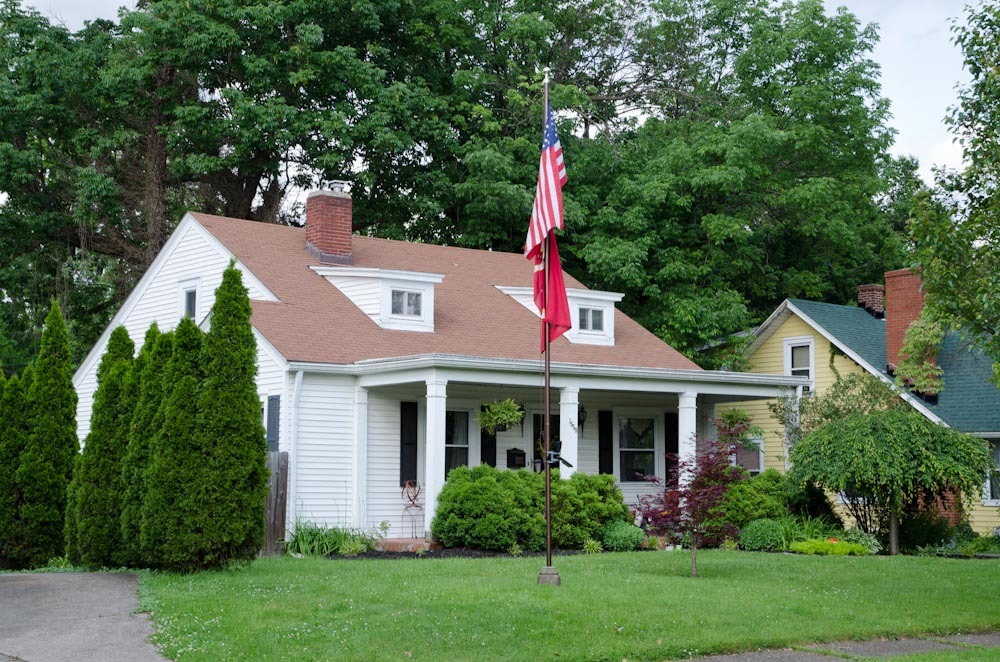
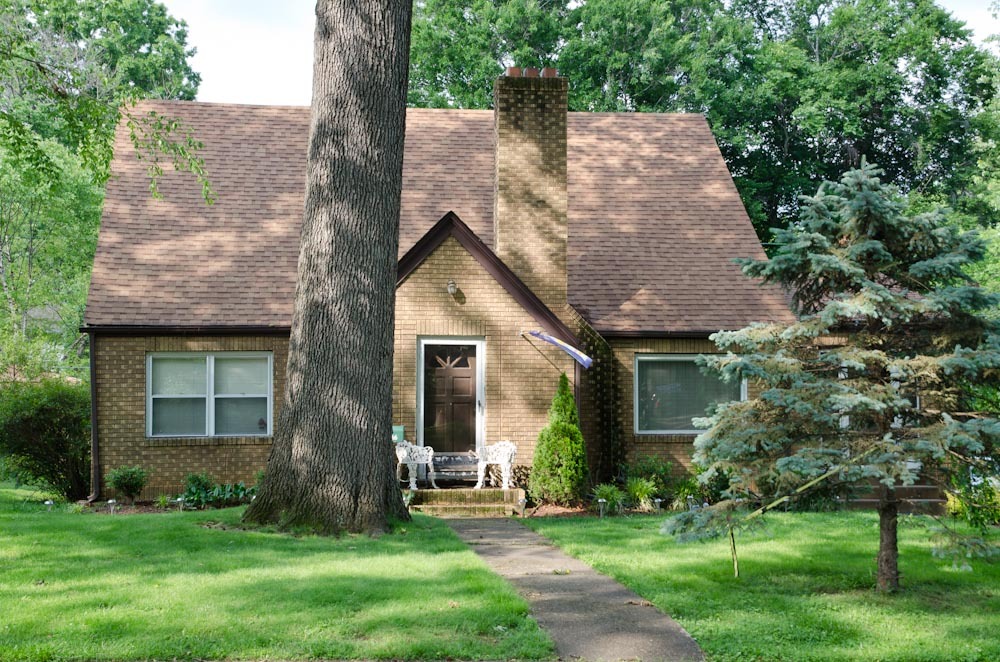
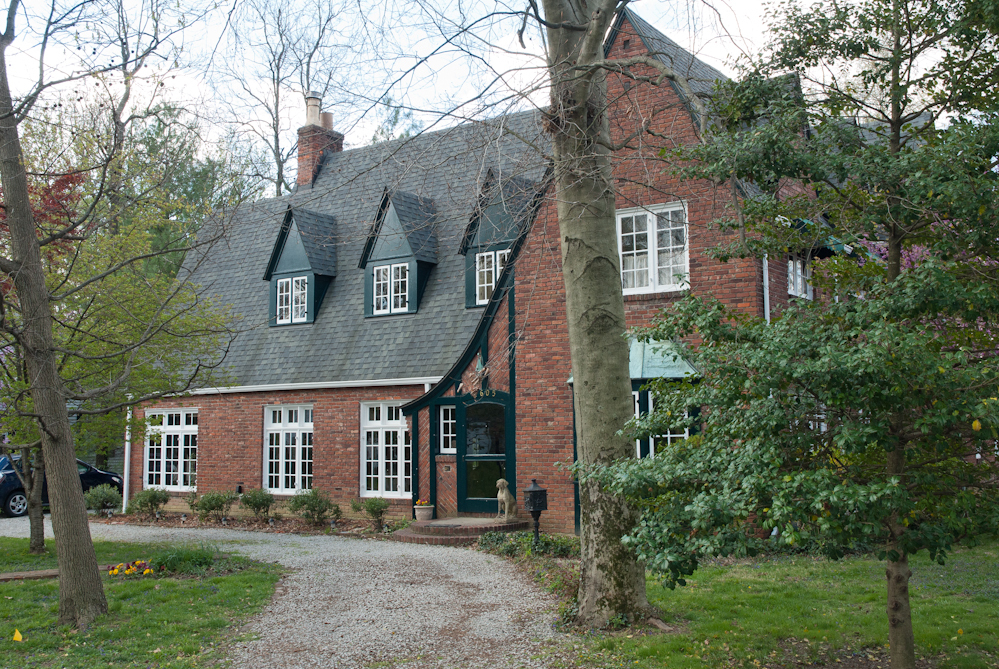
Most of the houses in the Hedden’s Grove neighborhood date from the 1920-1950 era. Tudor Revival, Colonial Revival, and other eclectic styles predominate. These proved popular with buyers seeking respectability and good taste. The neighborhood encompasses about fifteen acres on two parallel cul-de-sacs, Hedden Court and Hedden Park. Landscape features include mature trees, deep setbacks, and low retaining walls. The neighborhood was listed in the National Register of Historic Places in 2011.

Images
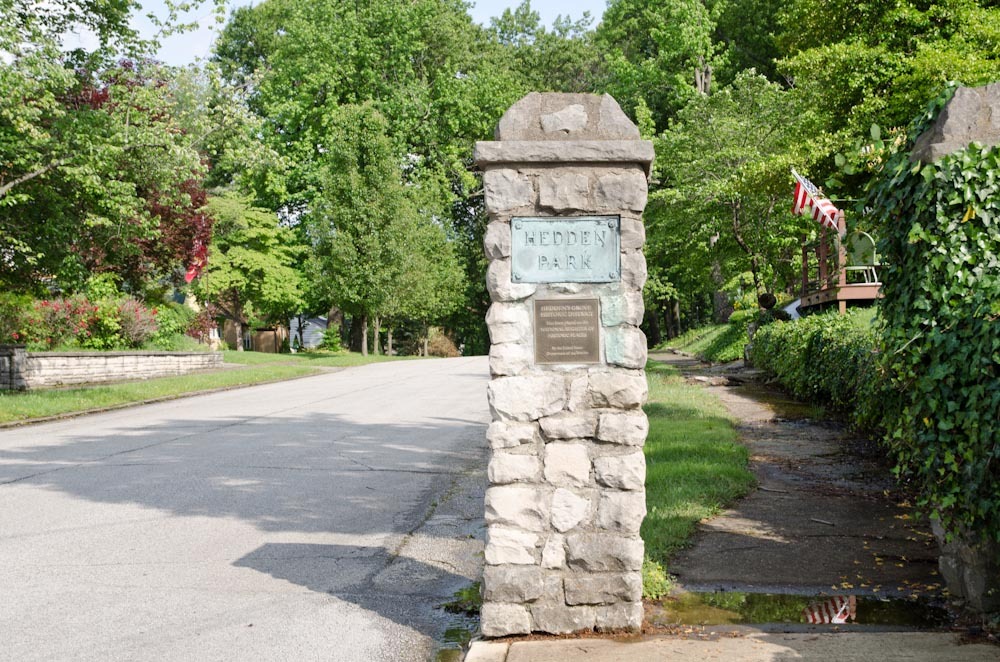
Entrance
Entrance Stone piers mark the entrances to the neighborhood on Hedden Court and Hedden Park. Image courtesy of Daniel Vivian. Source: Daniel Vivian Creator: Daniel Vivian Date: 2015
Frank Johnson House
Frank Johnson House Built in 1937, the Frank Johnson House features a square plan, side gables, and a broad porch. Image courtesy of Daniel Vivian. Source: Daniel Vivian Creator: Daniel Vivian Date: 2015
Brick Cottage
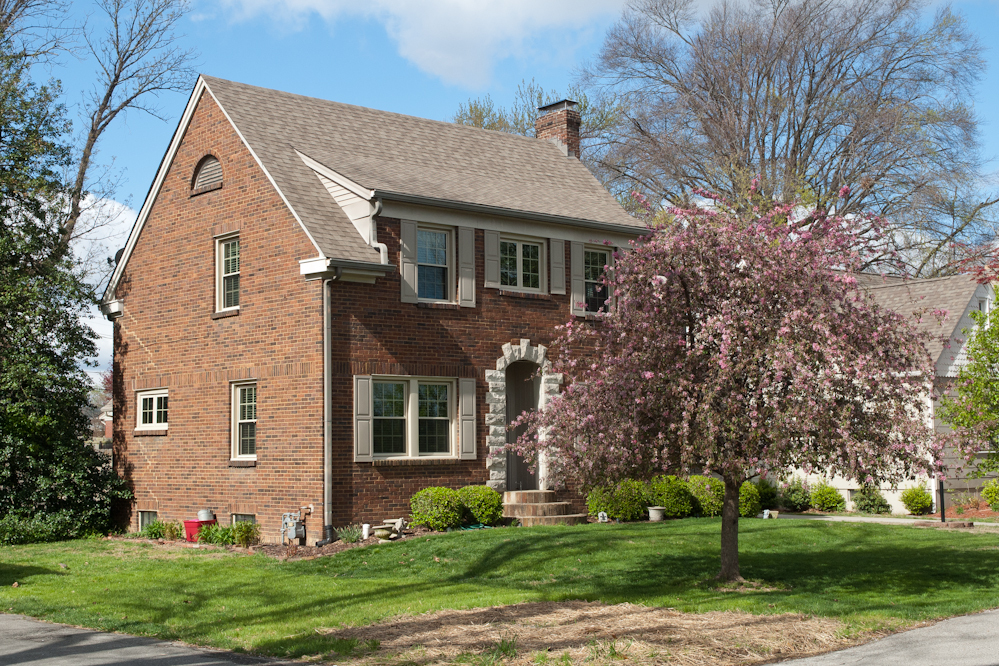
Brick Cottage Architectural historians sometimes refer to the blend of styles present in the Hedden's Grove neighborhood as "minimal traditional." Developers of early twentieth-century suburbs often favored houses designed with modest historical influences. Hedden's Grove is a good example. Image courtesy of Daniel Vivian. Source: Daniel Vivian Creator: Daniel Vivian. Date: 2015
Stone Cladding
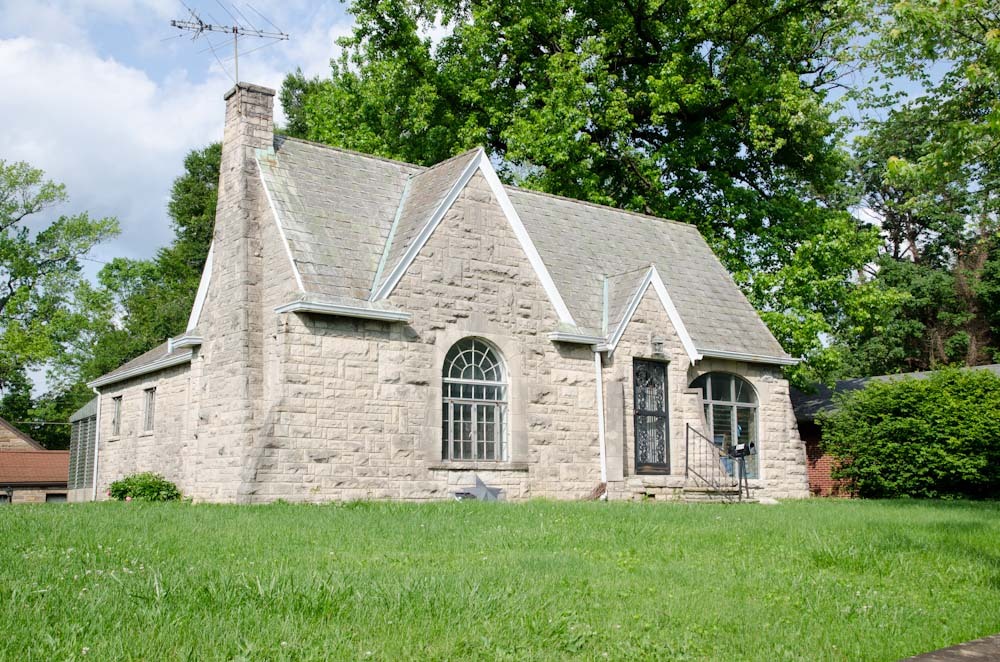
Stone Cladding Several houses feature stone cladding, a characteristic feature of Gothic- and Tudor-style domestic architecture of the period. Image courtesy of Daniel Vivian Source: Daniel Vivian Creator: Daniel Vivian Date: 2015
Colonial Revival
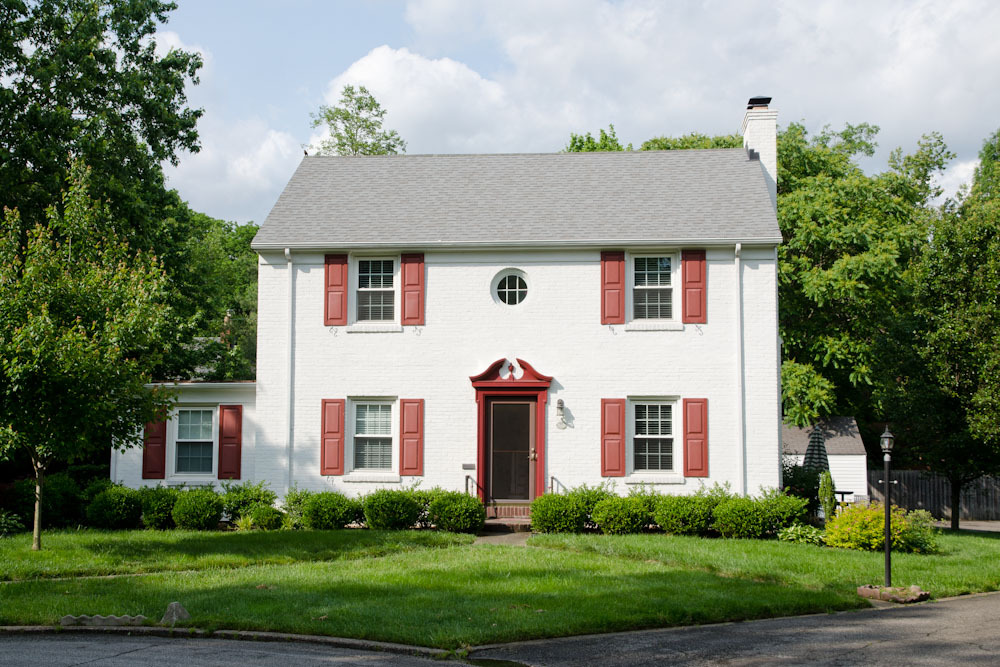
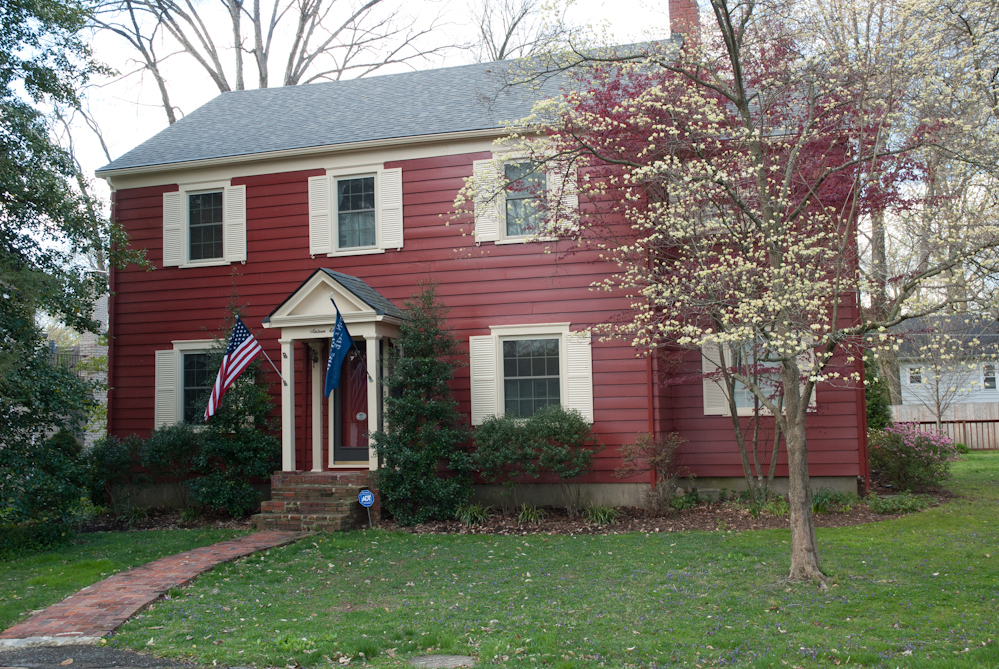
Colonial Revival This house at the end of Hedden Park is a textbook example of Colonial Revival-style domestic architecture. Image courtesy of Daniel Vivian. Source: Daniel Vivian Creator: Daniel Vivian Date: 2015
William Newhouse House
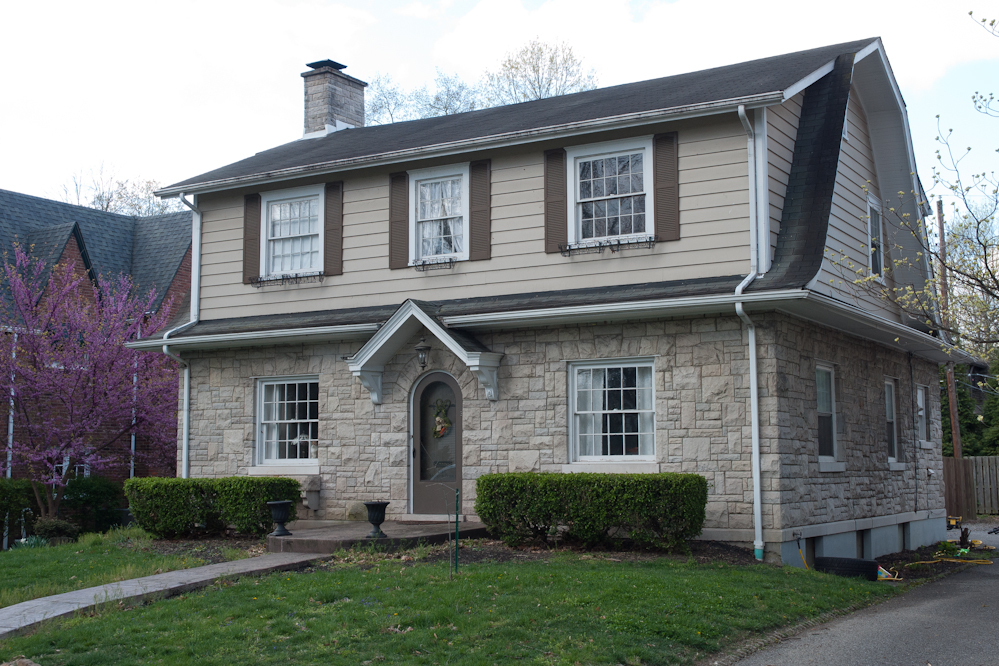
William Newhouse House One of two examples of the Dutch Colonial style, the Newhouse house is a two-story frame building with a broad, front-facing dormer and rock-faced limestone cladding. The gambrel roof is the signature feature of the Dutch Colonial style. Image courtesy of Daniel Vivian. Source: Daniel Vivian Creator: Daniel Vivian. Date: 2015
Tudor Style
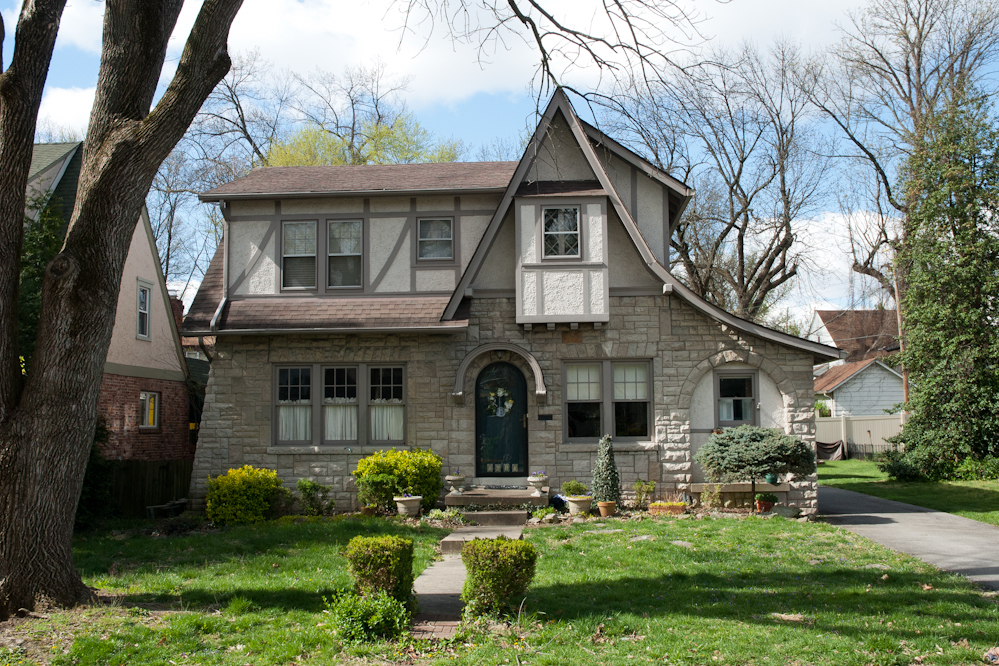
Tudor Style Several houses in the neighborhood exhibit strong Tudor-style influences. Image courtesy of Daniel Vivian. Source: Daniel Vivian Creator: Daniel Vivian Date: 2015
1619 Hedden Court
1619 Hedden Court Built in 1928, this house is one of several with rock-faced stone accents. Image courtesy of Daniel Vivian. Source: Daniel Vivian Creator: Daniel Vivian Date: 2015
Colonial Revival
Colonial Revival Built about 1930, this two-story frame building is a restrained example of the Colonial Revival style. Image courtesy of Daniel Vivian. Source: Daniel Vivian Creator: Daniel Vivian. Date: 2015
Lapping House
Lapping House Robert Lapping, the owner of a veneer company, built this Tudor-influenced house in 1930. The floors are made of pegged oak and most of the interior woodwork is walnut. Image courtesy of Daniel Vivian. Source: Daniel Vivian Creator: Daniel Vivian Date: 2015
David Hedden House
David Hedden House David Hedden, one of New Albany's earliest merchants, built this handsome dwelling on a site overlooking the Ohio on Dewey Street in 1867. The total cost of construction reached $10,000. Image courtesy of New Albany-Floyd County Public Library Digital Collections Source: New Albany-Floyd County Public Library Digital Collections Date: 1945
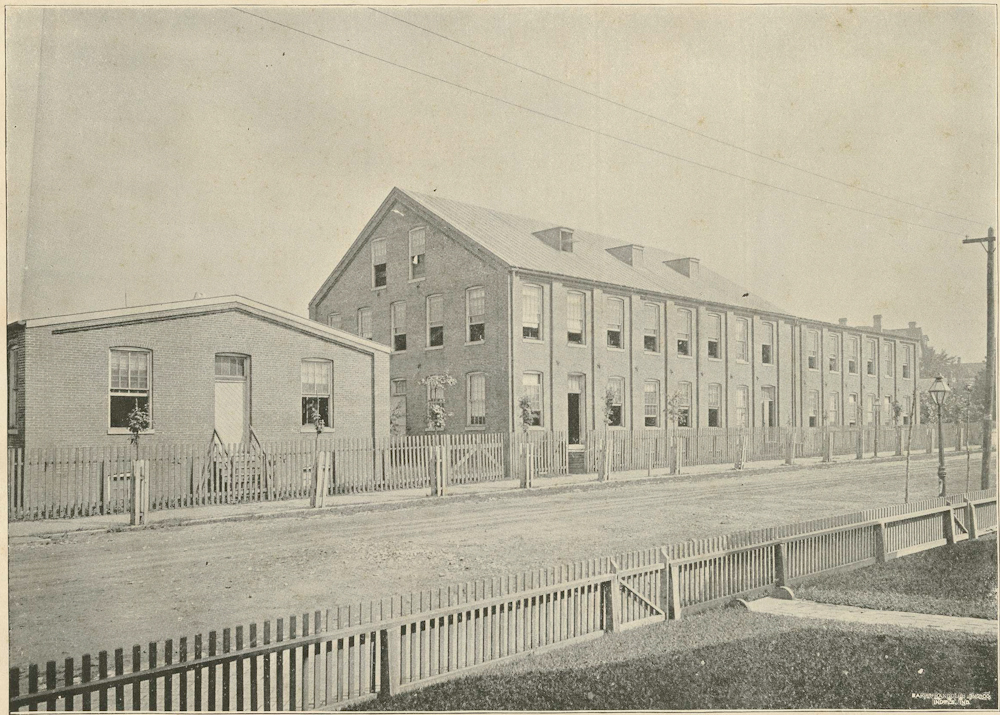
New Albany Hosiery Mill
New Albany Hosiery Mill William A. Hedden, David Hedden's oldest son, became the proprietor of the New Albany Hosiery Mill. "One of the most important and successful of New Albany's manufacturing establishments," the mill occupied this complex on Ekin Avenue near Vincennes Street. Its products included "fine gauge hose, fashioned hose, ribbed hose, patent German socks, shaker socks, and stocking yarn." Image courtesy of New Albany-Floyd County Public Library Digital Collection Source: New Albany-Floyd County Public Library Digital Collections Date: 1907

Location

Map

Metadata

Alex Covington et al., “Hedden's Grove Neighborhood,” Discover Indiana, accessed October 22, 2026, https://discoverindianahistory.org.curatescape7.reclaim.hosting/items/show/155.