Filed Under Story

John Rankin House

First Stop to Freedom

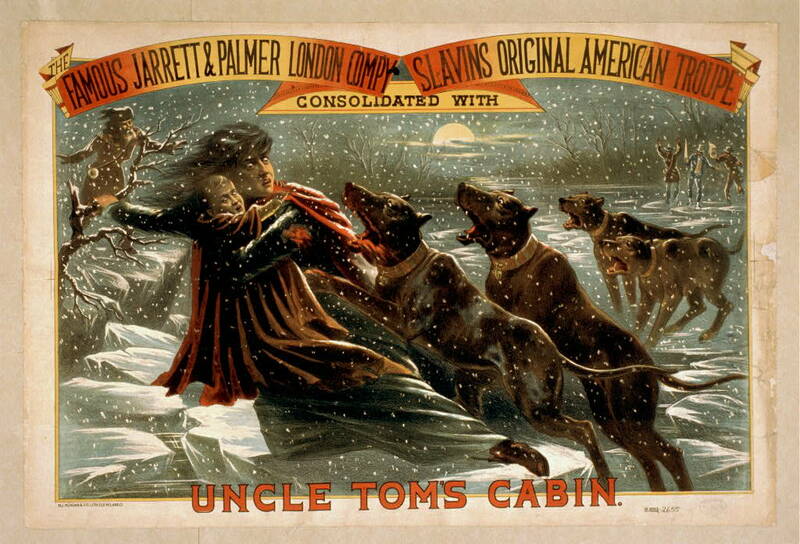
We know that it was at the home of Presbyterian minister John Rankin that Eliza Harris had her first moment of safety after escaping from slavery. It had not been an easy journey for Eliza leaving in winter February 1838 from Dover, Kentucky with her young child. Dover sits just five miles from Ripley, Ohio, a town where the Rankins had been active in Underground Railroad activities for many years. The town was a known area for slave catchers to monitor the banks for escaped slaves coming across the river. We do not know whether Eliza knew of the Rankins and their willingness to help. But stories tell of how Eliza, with her babe in her arms, crossed a half-frozen Ohio River with only a rail to assist her in case she broke through. Slave catchers, hearing the cracking ice while monitoring the banks of the river pursued, but seemed unwilling to take the same chance Eliza made by going out onto the ice. Eliza made it to the other side. Just after the moment of landing on shore, she and her child were grabbed by a man.

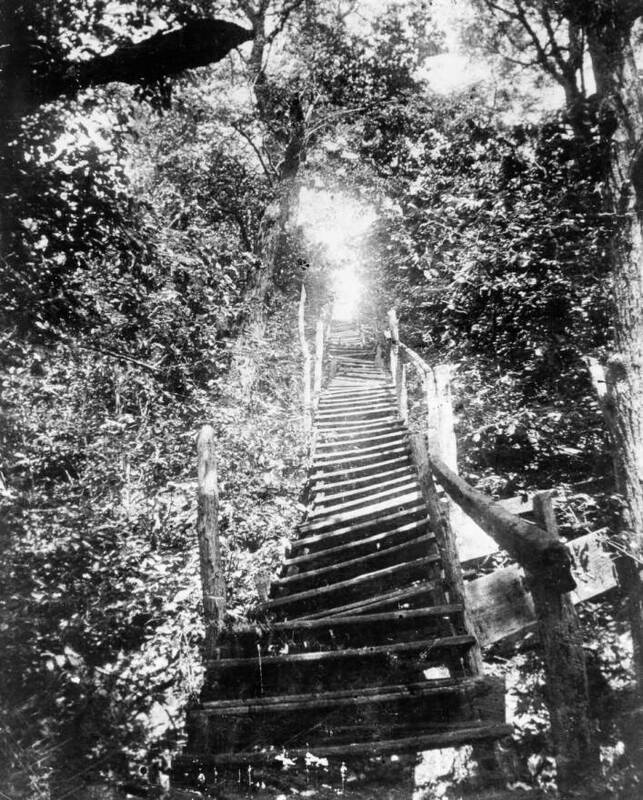
Slave catcher Chancey Shaw likely was the person who grabbed Eliza. Not known for being sympathetic to escaped slaves, Eliza’s effort to reach the other side somehow led Shaw to provide aid instead of turning her in. Shaw reportedly said, “Any woman who crossed that river carrying her baby has won her freedom.” He gave her instructions to get to the top of the hill where John Rankin and his family lived. Eliza climbed 100 steps to the home where she was given food and clothing. John Parker, another Underground Railroad facilitator, along with John Rankin’s three sons, would later confirm Chancey’s role in Eliza’s escape.

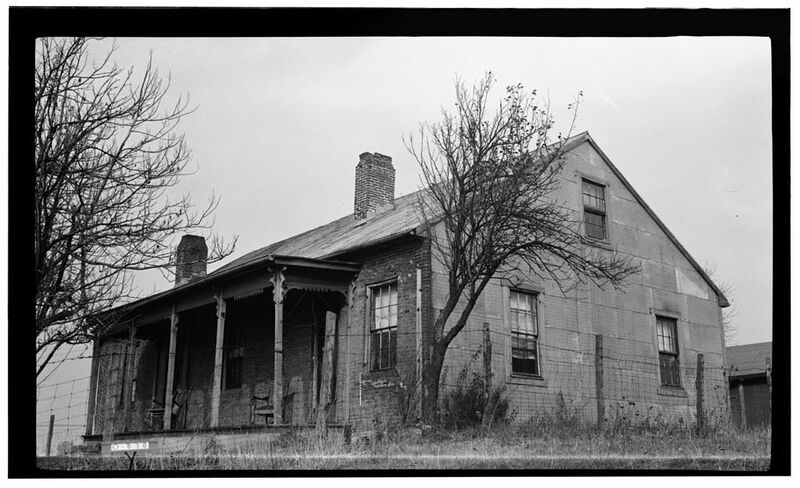
John Rankin came to Ripley, Ohio in 1822, eventually building his home in 1825. Sitting on top of a large bluff overlooking the Ohio River, the Rankin family could see escaped slaves in the night coming from Kentucky. The sentiments of the minister and his family were well known in this town. Although the Rankin home and the river were patrolled almost daily by slave catchers, no one who was able to make it to the Rankin home was ever caught. For Eliza, her stop at the Rankin home was short. With the constant presence of slave catchers, she was not safe until the Rankins could get her further north. The Underground Railroad existed for that purpose.

Images
John Rankin House
John Rankin House The home of Presbyterian Minister John Rankin in Ripley, Ohio. Picture taken before the home’s restoration in 2014. It is believed Rankin and his family helped up to two thousand enslaved people of African descent out of Kentucky. This photograph was taken as part of a survey of historic homes in America in 1936. Today the home is a historic site and part of the Ohio History Connection. Source: Courtesy of the Library of Congress: https://www.loc.gov/resource/hhh.oh0042.photos/?sp=1 Creator: Historic American Building Survey Date: 1936
Frozen Escape
Frozen Escape Many scenes from Harriet Beecher Stowe’s book Uncle Tom’s Cabin have been depicted in artwork. This 1881 image recreates the escape of Beecher’s Eliza across a half-frozen river while fending off dogs that were not actually present. Dogs were often included in these types of images to represent the real violence many escaped slaves were subjected to as slave catchers used hunting dogs to track their trail. This lithograph was created by W.J. Morgan & Co. and advertised the dramatic theatrical telling of Beecher’s book on stage by the Jarrett and Palmer London Company and Slavins Original American Troupe. Source: Courtesy of the Library of Congress: https://www.loc.gov/item/2014636022/ Creator: W.J. Morgan & Co. Date: 1881
The Rankins
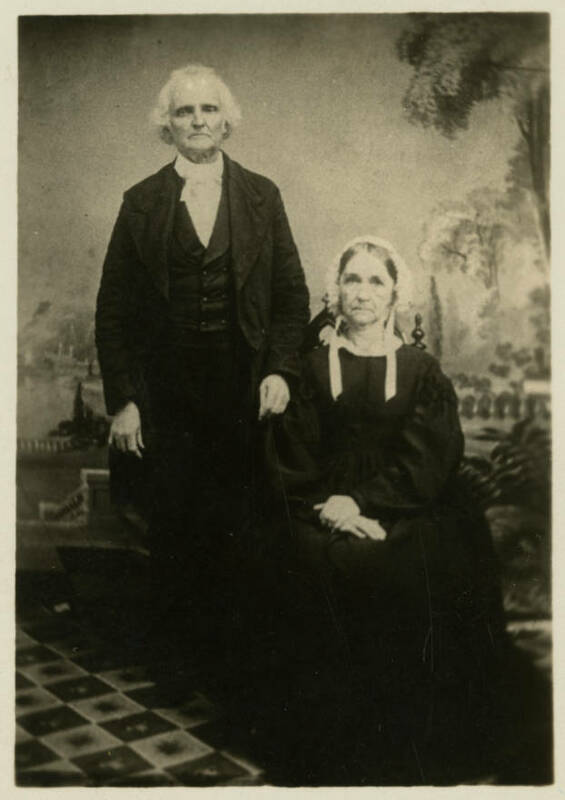
The Rankins John Rankin was a Presbyterian minister in Ripley, Ohio who was instrumental in aiding up to 2,000 freedom seekers. His home was strategic to the Underground Railroad, as many freedom seekers who crossed into Ohio could see the home on a bluff above the Ohio River. Rankin led efforts to start an anti-slavery society in Ohio as well as the Free Presbyterian Church of America, which didn’t allow slave owners to be members. Source: Courtesy of the Ohio History Connection,
Rankin-DeGraf-Doak Families Small Picture Collection,
SC 3799
Date: 1872
Picture of Ripley
Picture of Ripley Ripley, Ohio was a town that was often visited by freedom seekers in their escape from the slave state of Kentucky to the free state of Ohio. This engraving shows the town in the 1840s. At the top of the picture, the home of John Rankin can be seen. This view is from the Kentucky side of the Ohio River, a similar image freedom seekers would have seen before crossing the water. Source: Courtesy of the Ohio History Connection, Ripley, Ohio Collection, SC 651 Date: c. 1840s
Freedom Stairway
Freedom Stairway This photograph depicts an early version of steps that lead up to the Rankin home from the town of Ripley. Though it is not known if the stairs existed in the early part of the nineteenth century, we can tell from this early photograph the work it took Eliza and her child to make it up the steep hill to the Rankin home. Source: Courtesy of the Ohio History Connection, Ripley, Ohio Collection, SC 1591 Date: c. 1850s
Rankin Monument
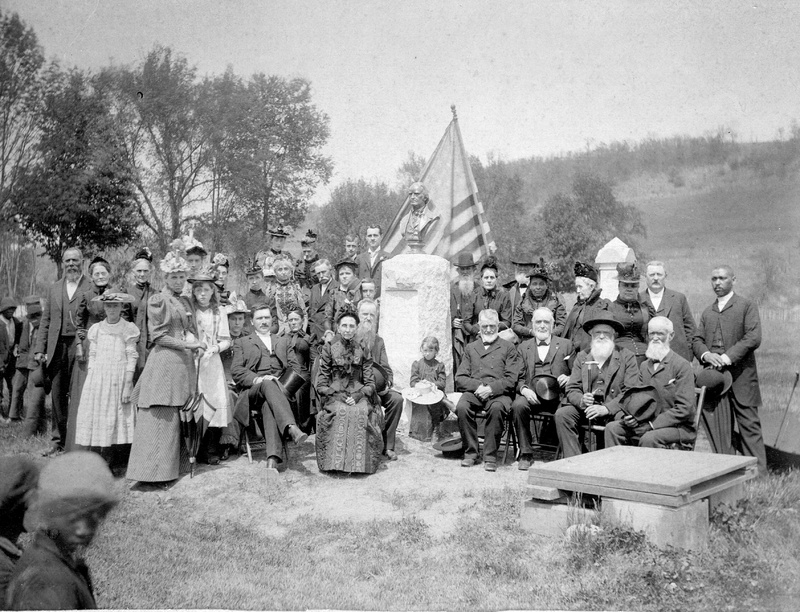
Rankin Monument In 1892 a monument was dedicated to the memory of John and Jean Rankin on the grounds of the Ripley Cemetery. The monument includes a bust of John Rankin’s head. The event was attended by both white and African American citizens. Source: Courtesy of the Ohio History Connection, SC1591 Date: May 1892
Ripley Trail
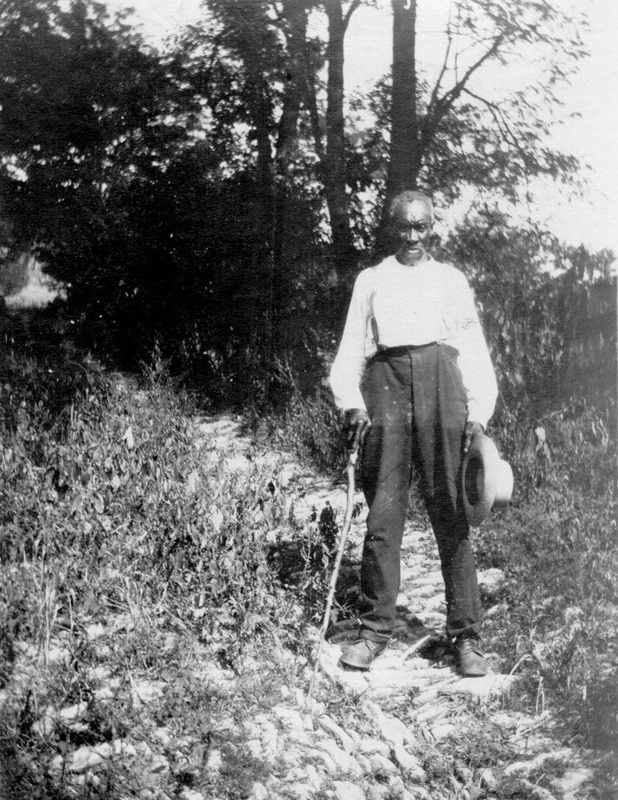
Ripley Trail This photograph depicts a formerly enslaved man standing at the beginning of a trail freedom seekers used to reach the Rankin home in Ripley, Ohio. Source: Courtesy of the Ohio History Connection, SC92

Location

6152 Rankin Hill Road, Ripley, Ohio, 45167

Metadata

Joanna E. Hahn, “John Rankin House: First Stop to Freedom,” Discover Indiana, accessed October 22, 2026, https://discoverindianahistory.org.curatescape7.reclaim.hosting/items/show/543.