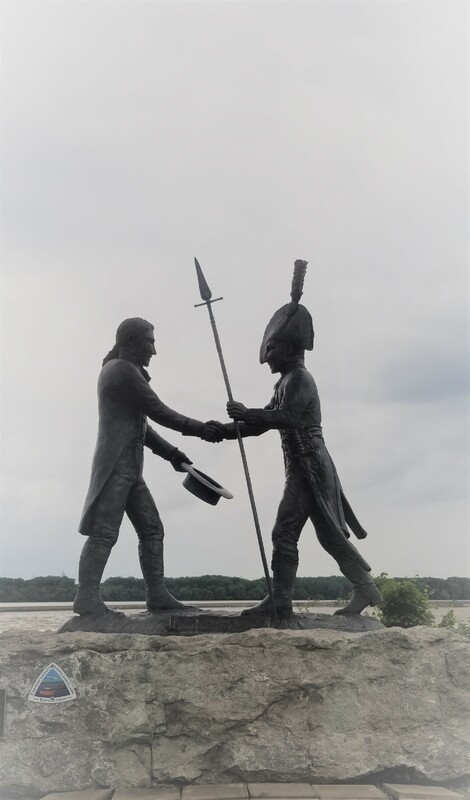
You are standing next to the Lewis and Clark Handshake statue by sculptor Carol Grende. The sculpture and the annual Handshake Festival at Falls of the Ohio State Park celebrate the moment when Lewis and Clark began their famous expedition in the fall of 1803. William Clark spent much of his life in the Falls of the Ohio region. He first resided in Clarksville when he served as a captain of the local guard in 1790. He also spent much time near Louisville, Kentucky, on his family's farm.
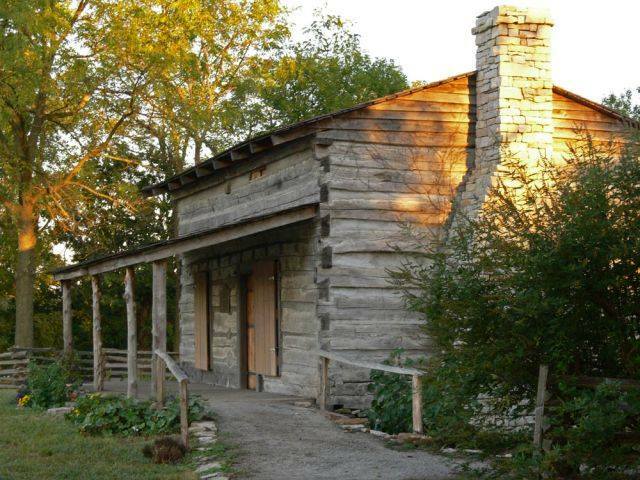
According to historian Carl Kramer, author of This Place We Call Home: A History of Clark County, Indiana, by 1802, William Clark lived with his brother George Rogers Clark and served as Clarksville's town surveyor. While some historians believe that a cousin named William Clark might have accomplished some of the deeds attributed to the famous explorer, few doubt that William Clark, brother of George Rogers Clark, at some point resided in Clark County. As Clark's personal servant, York most likely lived here, too.
Born into slavery on the Clark plantation in Virginia, York had no choice in his role as a member of the expedition. While he lacked the opportunity to learn to write his story, journals of other expedition members note his value to the exploring party: hunting, nursing the sick, and making contact with Native American groups, who reportedly found York very impressive. Journal entries note York's affection for his wife in Louisville to whom he sent gifts from the trail, despite his union not being legally recognized. Despite numerous references to York's affection for his wife in Clark's journals, Clark separated the couple.
Darrell Milner's "York of the Corps of Discovery" provides further details on York’s life. Clark moved York to St. Louis while York’s wife remained in Louisville until her owner removed her to Natchez. The Clark family papers housed at the Filson Club in Louisville show William Clark refused to free York after the expedition. He even administered beatings to York in 1809 and rented York to a cruel master in Louisville. Clark reported to Washington Irving that York died a free man who wished to return to slavery in 1832. We have only Irving's account to support this story. York may have spent his entire life in bondage.
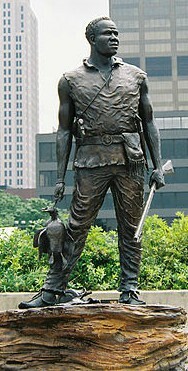
Since 2003, a statue of York, created by local sculptor Ed Hamilton, has adorned 5th and Main Street in Louisville, but on the ground where he walked in Clarksville, he has yet to be commemorated.
Images