Bethel African Methodist Episcopal Church (Indianapolis)
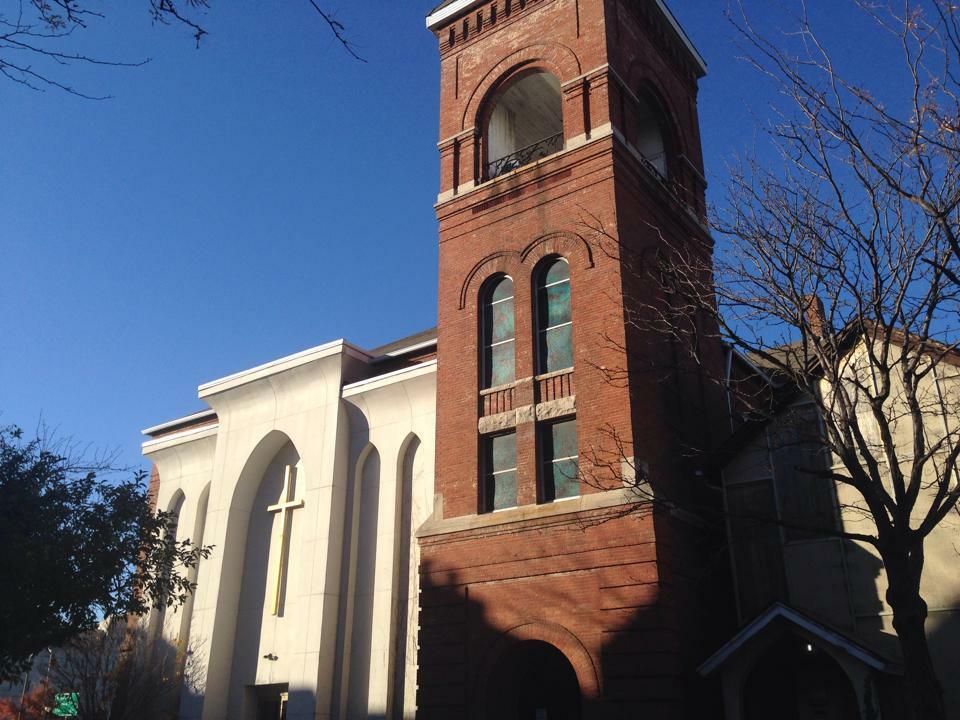
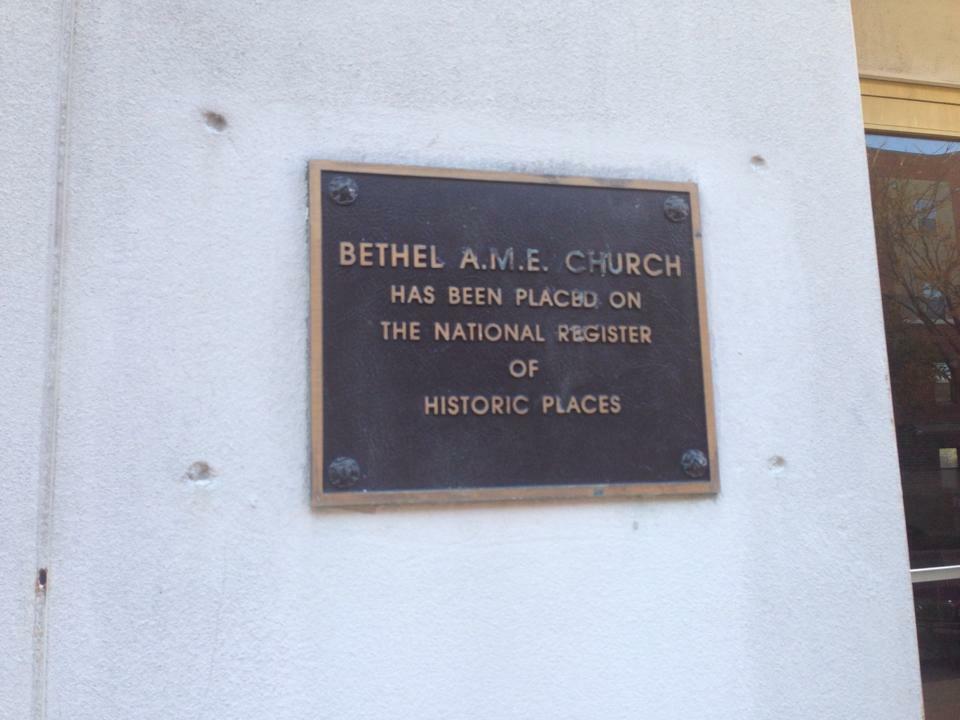
Tucked away at the intersection of West Vermont Street and Toledo Street, the Bethel African Methodist Episcopal (AME) Church in Indianapolis is a beautiful brick structure overlooking the canal. The building was home to a congregation that has been very active in the pursuit of equality for over 150 years.
Free Africans and African Americans in Philadelaphia founded the denomination in the late 1700s, with the goal of promoting racial equality through moral uplift and social justice. Previously, if Black people wanted to participate in church services, they were often discriminated against by white congregations.
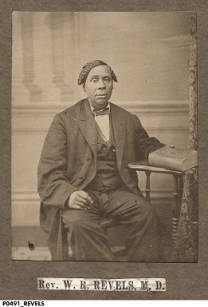
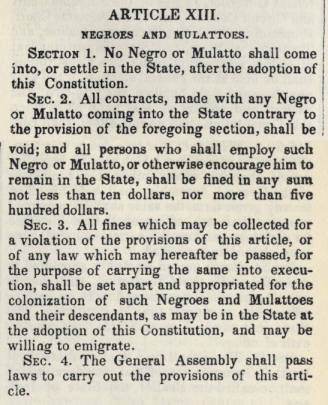
The Indianapolis parishioners formed their church in 1836, building on Georgia Street in 1840. Most Northern cities experienced an explosion in the growth of their respective black communities. Indiana’s position on the border of the slaveholding South made it a popular destination for freedom seekers. Bethel AME assisted people on their journeys further north, but a white majority in the state did not appreciate this influx of Black people. In 1830, the Indiana state legislature passed a law that banned the immigration of Black and mixed race people and forced those that did settle here to pay a $500 fine. However, this did not deter the Bethel’s congregation activities with the Underground Railroad. Bethel AME’s activities did not go unnoticed by the white community. Although the church had many supporters, including local white clergyman Calvin Fletcher; the pro-equality actions of the church angered many people, prompting a mysterious fire that burned down the original church in 1864 . At the time, Reverend Willis Revel was actively recruiting Black citizens to serve in the Indiana Colored Infantry during the Civil War . The church was unfazed by this act of terrorism, rebuilding their church at this location (1864-1870) and continuing their quest for racial equality.
Bethel AME Church of Indianapolis not only promoted its own causes, but served as a foundational meeting place for many African American groups fighting for civil rights, including the National Association for the Advance of Colored People (NAACP) and the Indiana Federation of Colored Women’s Clubs. The church’s leaders also believed that the hope for the future of Black equality in general was its youth. In 1858, the church started its own boarding school, where students studied “spelling, reading, writing, arithmetic, grammar, geography, history, anatomy, physiology, and hygiene” among other subjects . Bethel AME was very active in the lives of the African American children of Indianapolis, both in religion and education.
The tradition of social justice and civil rights remains a cornerstone of the Bethel AME Church in Indianapolis today, which is now called Bethel Cathedral and located on Zionsville Road in Pike Township. A virtual tour of the Bethel AME Church building on Vermont street can be accessed here!
Images