The Acton Campground

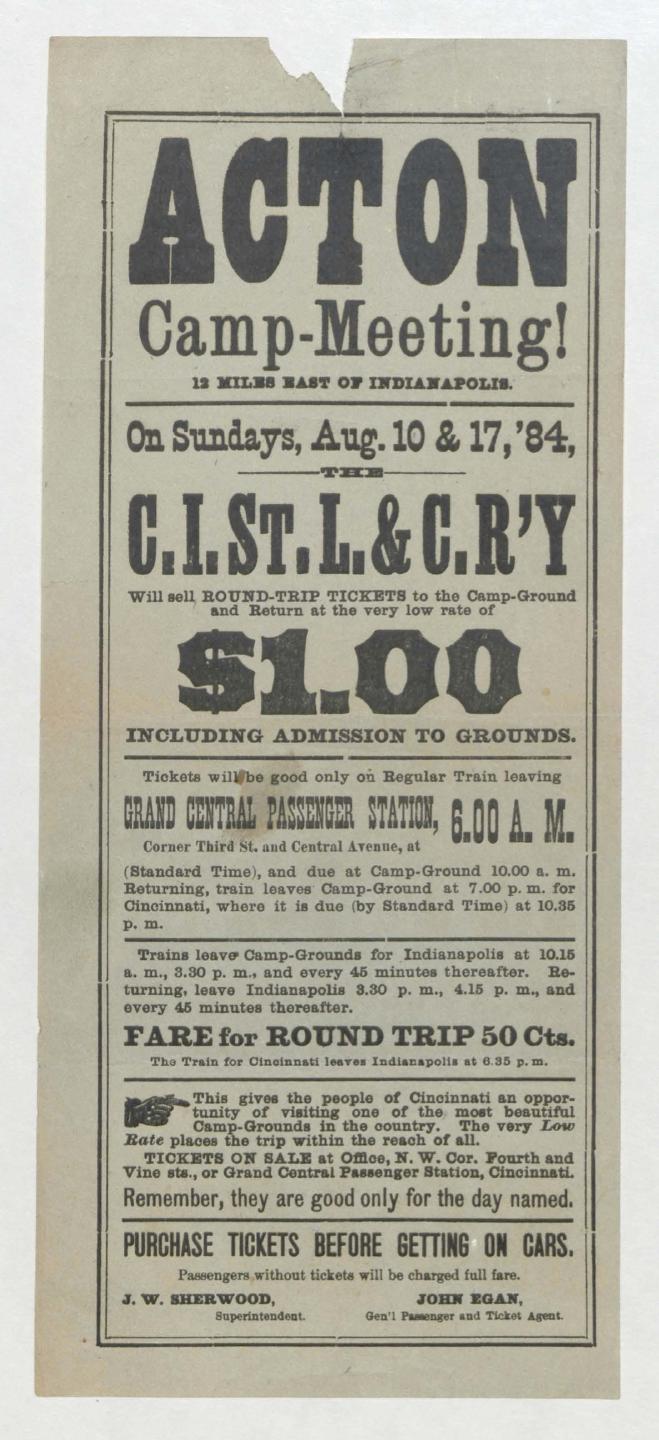
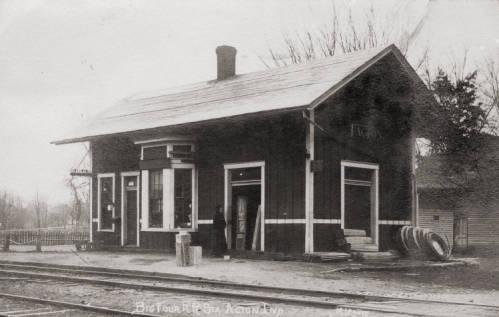
On June 16, 1859, a Methodist camp was founded in the Indianapolis District of the Methodist Episcopal Church. Located in London, Indiana, part of Shelby County, a group of twenty-eight ministers, Methodists, and laymen founded a campground in Indianapolis. Originally, the area was a village named Farmersville, which was platted as a stop on the Cincinnati and Indianapolis railroads. It was later renamed Acton and was incorporated into Indianapolis. The campground was quite successful. In 1864, it was used as a Union hospital during the Civil War. The camp mysteriously burned to the ground on August 4, 1864. According to official reports it was done by “enemies of the county.” It is also likely that those living in Acton burned it down because they didn’t want a military hospital near their homes. By 1866, it was completely rebuilt and the town flourished. By the 1880s, Acton had multiple churches, stores, mills, and around three hundred residents.
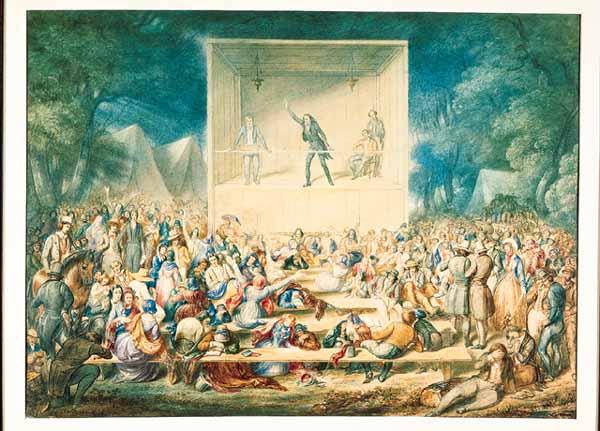
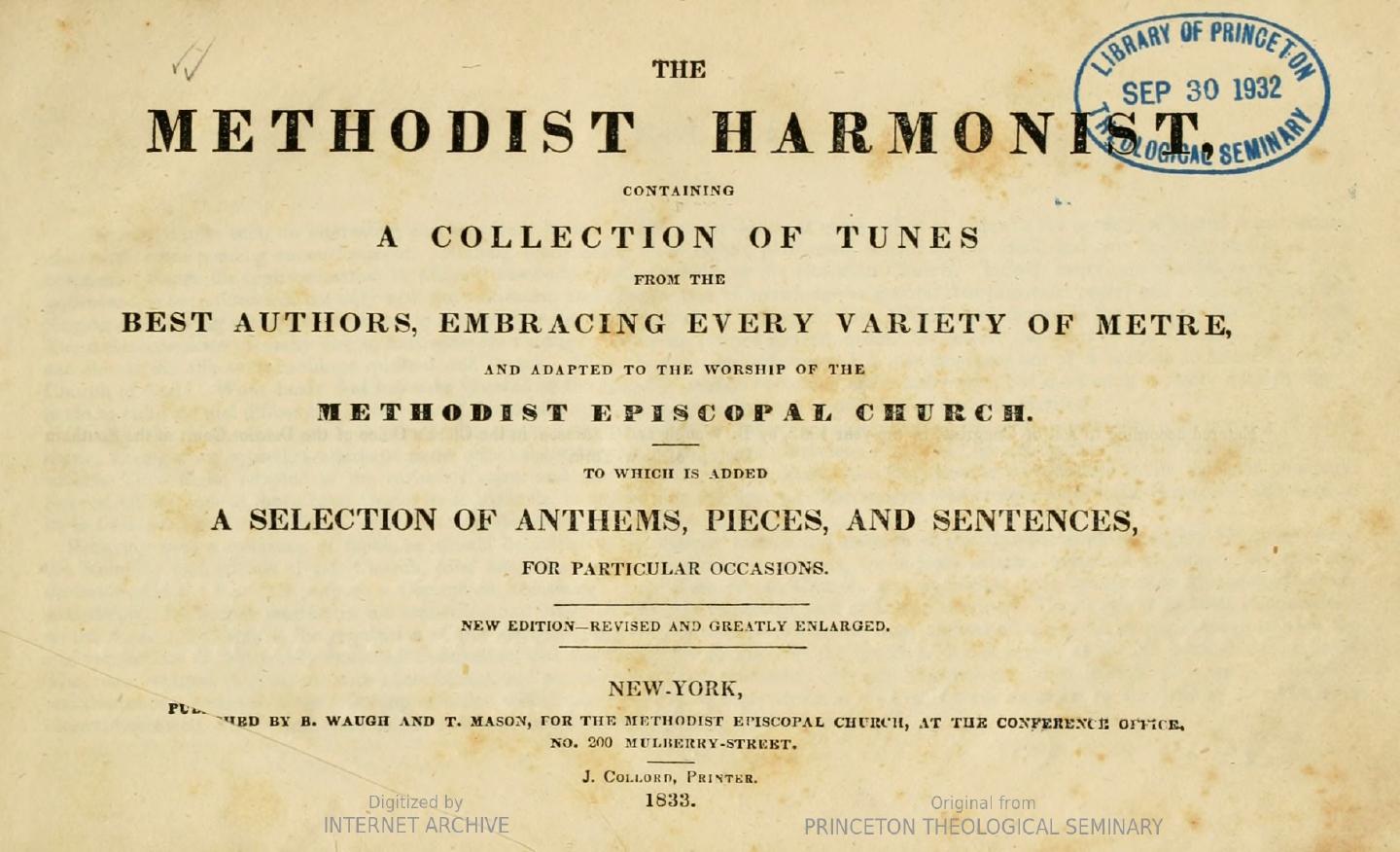
One of the hallmarks of nineteenth-century camp meetings was worship through music. Camp meetings were an essential part of the spread of religion in rural populations. While Acton effectively had its own church, and many nearby, not every town did. Music, especially shape-note music, was a central part of the sermons. Shape notes are not only a way of printing music, but they were also a way of teaching it. By using shapes to represent intervals, anyone could follow along regardless of their ability to read music. The first shape note book was printed in 1801, and they became wildly popular in the United States. The Methodist Harmonist, published by the Methodist Episcopal Church in 1833, was one of these books.
Acton was not the only campground. According to a lecture in 1881 in Acton, there were campgrounds in Wayne County and Henry County in the 1830s, and camp meetings were held throughout the state. Music was a part of their sermons from the beginning. Father James Havens, in 1837, led a prayer circle at a meeting near Marion County. He appointed men to “bring out the people and come singing to the circle.” While it is not directly called a shape-note performance, circle singing was the primary way of conducting them. Havens reportedly “mounted a bench and gave a most powerful exhortation” and led the congregation in singing the hymn “Come Ye Sinners, Poor and Needy.” Havens, among other early preachers, would later come to the Acton Campground. The tradition of spreading the gospel through music was undoubtedly brought with them.
Video
Images