Singer Sewing Machine Factory
Singer: a Better Machine 1850-1868
Isaac Merritt Singer refined existing sewing machines in 1850 by adding a presser-foot system. The system surrounds the needle with a foot-like part that forces the fabric to lay flat when being fed into the machine for easier stitching. He patented his innovation in 1851 and started the Singer Sewing Machine Company in Boston. The company moved to New York City in 1853 where they hired cabinet worker Leighton Pine in 1860. He knew about South Bend’s reputation for supplying black walnut lumber for furniture. Taking this knowledge, Pine applied it to his trade in sewing machine cabinets. He established a sewing machine cabinet factory in South Bend in 1868 and employed 168 workers.
Cabinet Production in South Bend
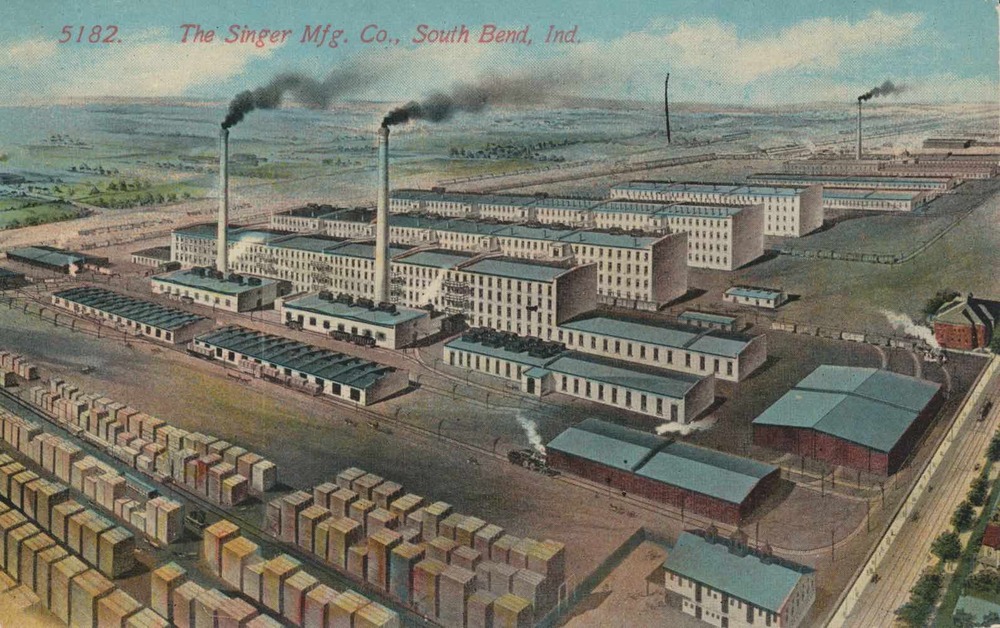
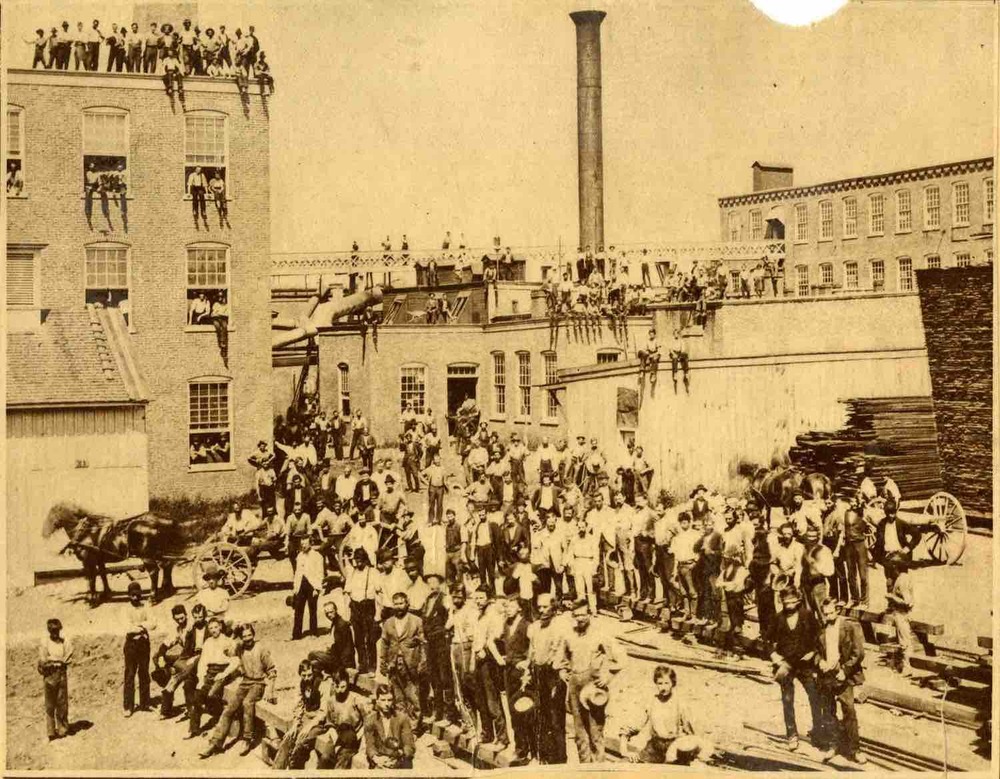
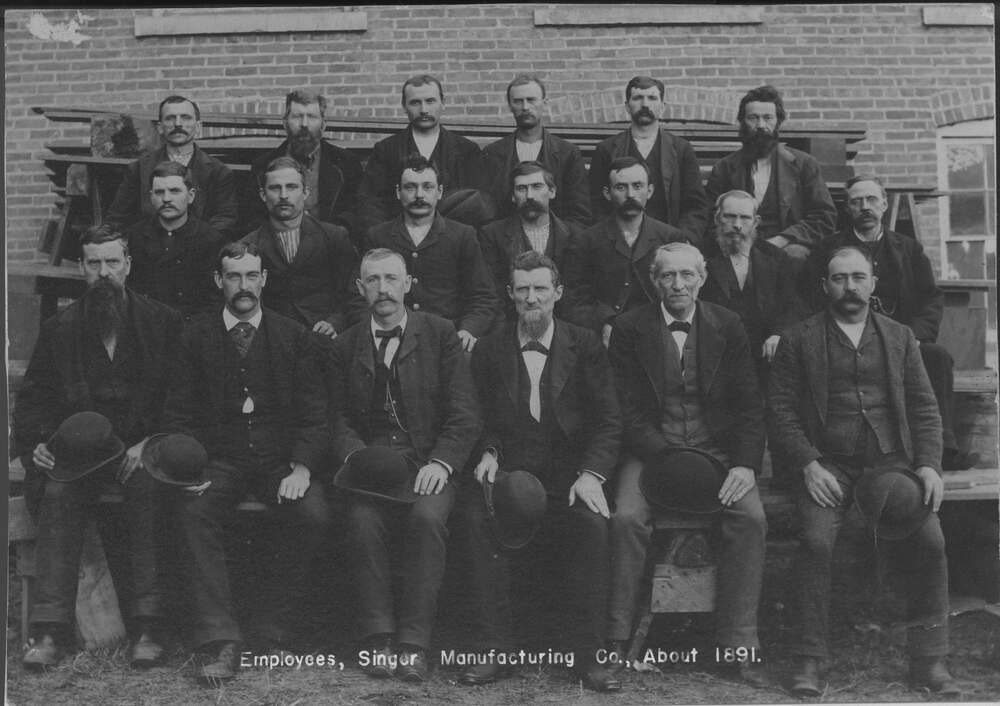
Originally located on the East Race waterway, production machinery at the factory was hydro-powered. With the development of electricity, Singer moved to present day Western Avenue. In 1901, it was the largest sewing machine cabinet factory in the world. It served as a model for Singer’s other locations around the world, like its duplicate in Moscow which supplied cabinets to their Russian, Balkan, and Japanese markets. Back at their Western Avenue facility, the company employed 1,500 people and produced 5,000 cabinets a day. Employment peaked in 1914 with 3,000 workers who produced an estimated 2 million cabinets that year. Many of these workers were Polish and Hungarian immigrants, drawn to the area by Singer and other local companies that promised employment opportunities.
Cabinet Demand Disappears
The Great Depression proved to be a challenging time for the South Bend Singer factory. The introduction of stand-alone electric sewing machines caused a decline in cabinet demand. The factory downsized until only 650 employees remained. Singer phased out their foundry and discontinued lumberyard operations. By 1937 they had torn down five buildings, including the smokestack and cupola. Although military contracts during WWII helped many factories recover from the lasting effects of the Great Depression, wood products were not in demand by the military. While Singer produced some crates for military supplies, production levels remained low. By 1955, Northern Indiana’s once abundant wood supply was exhausted and demand had continued to fall until the factory was finally closed in March.
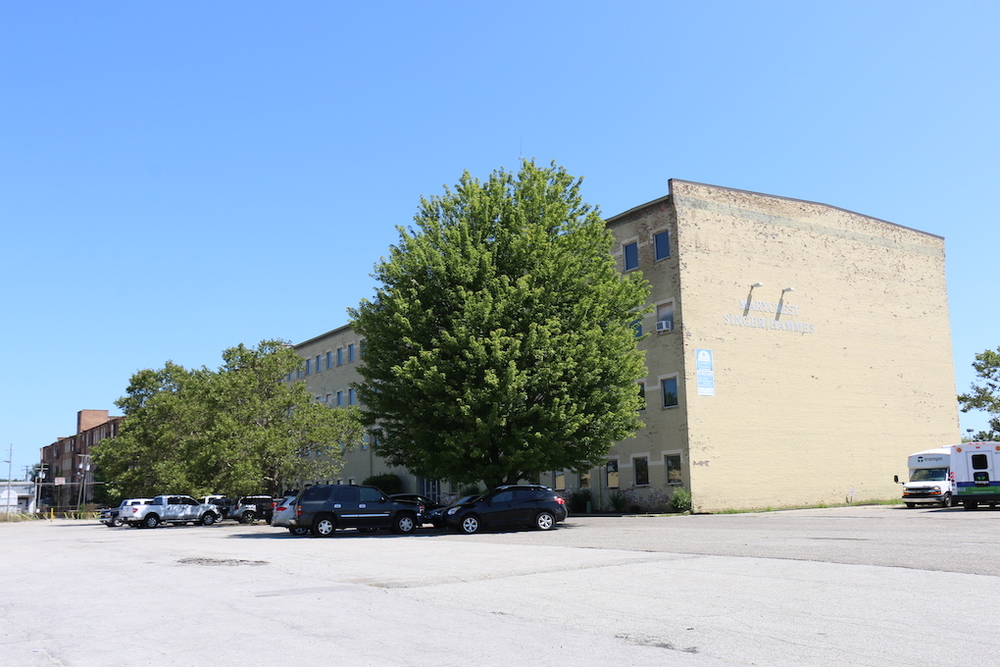
Purchased by Kankakee businessman Romy Hammes that same year, the site served as a division of Romy Hammes, Inc. and went by Marycrest Shopping Center. The only remaining building on the site is still named Marycrest. Its front part houses local businesses, but the back remains unoccupied. Looking closely at the exterior, the faded brick Singer sign is seen on its posterior wall, a faint reminder of the name that drew immigrants from Poland and Hungary to South Bend’s Singer factory.
Images
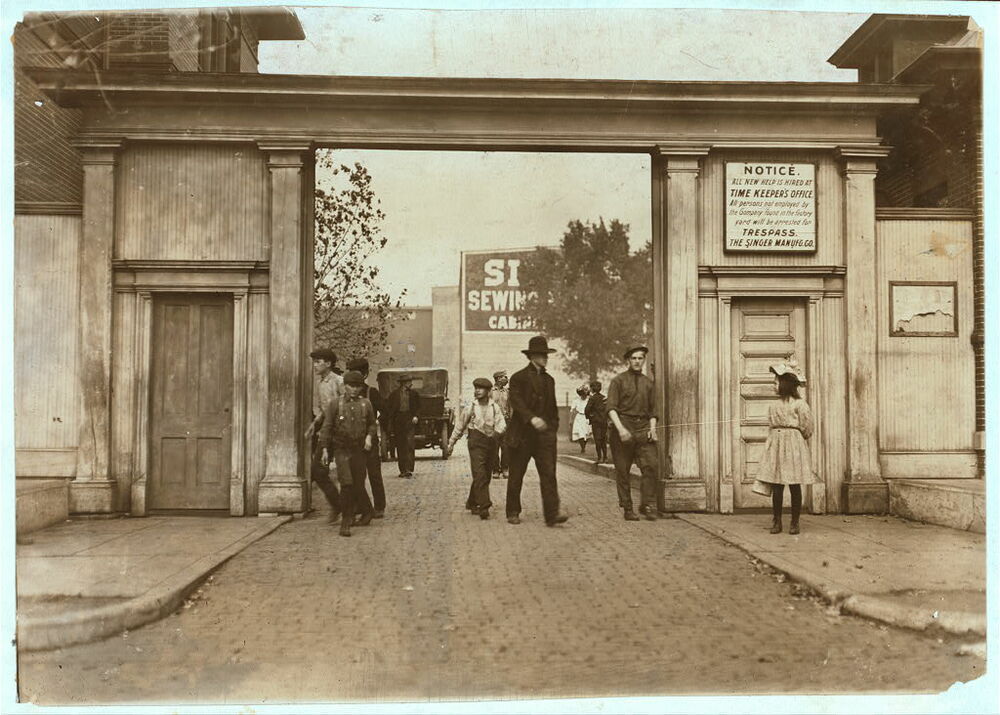
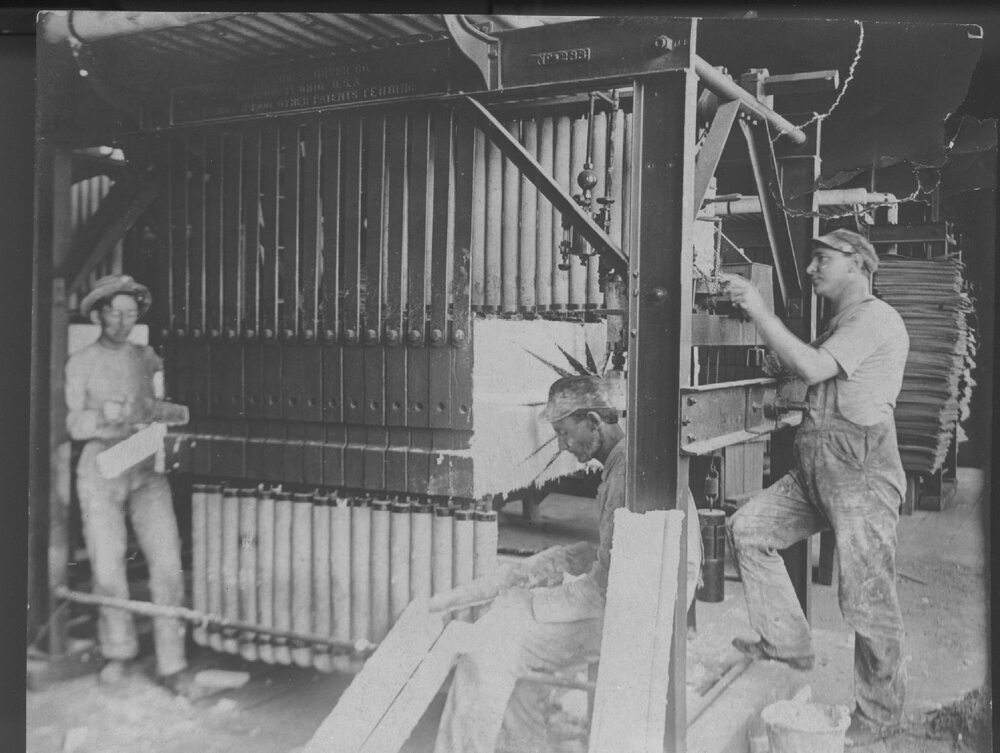
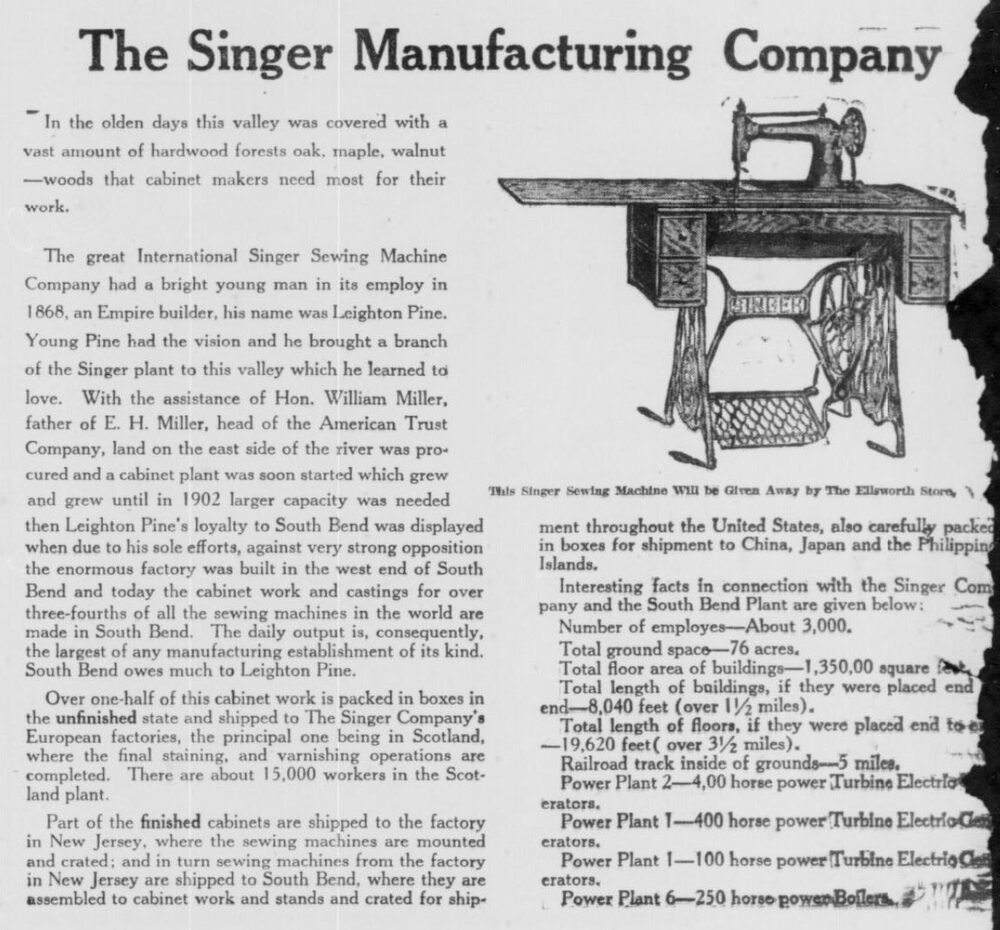
"The Singer Manufacturing Company," April 3, 1921, South Bend News-Times, p. 8.
Creator: South Bend News-Times Date: 3 April 1921