Filed Under Story

Jeremiah Sullivan House
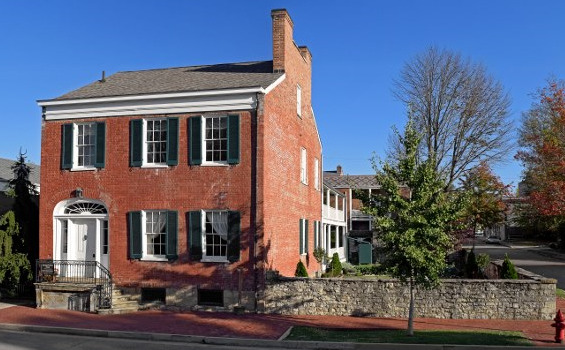
Could Jeremiah Sullivan ever imagine how important he and his family would become? Or that his house would jumpstart a nationally recognized preservation movement?”

In 1816 twenty-three year old Jeremiah Sullivan joined a rising flood of emigrants from the east seeking opportunities on the American frontier. He found his in Madison, a settlement of log buildings and mud roads clinging to a narrow shelf of land squeezed between the Ohio River and towering bluffs covered in virgin forests in Indiana Territory.

Sullivan, having completed his attorney’s training in Williamsburg, VA, was appointed prosecuting attorney. Three years later, in 1820, his popularity led to his election to the state legislature in Corydon. His suggestion of “Indianapolis” or City of Indiana, for the capital city within the new state of Indiana cemented his significance in state history. It was buttressed by his ten year tenure on the State Supreme Court from 1836 to 1846.

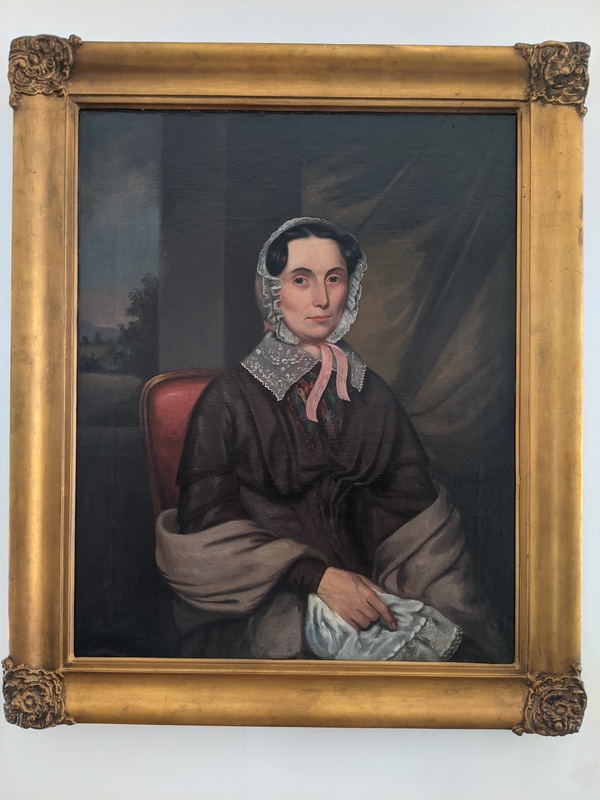
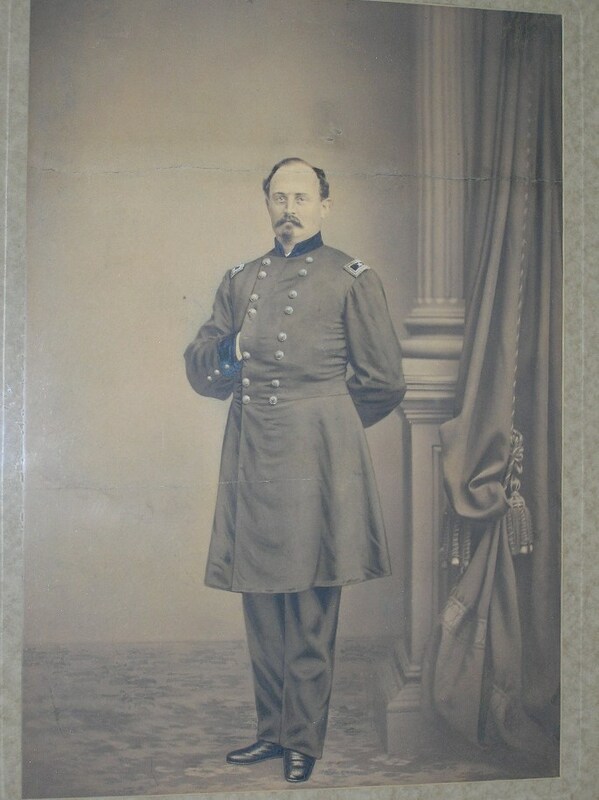
Virginia settler Charlotte Cutler married Sullivan in 1818. By 1819, their first child, Thomas was born with his eleven siblings following every other year for twenty five years. Of the twelve children Charlotte bore, seven survived to adulthood. Algernon and Jeremiah Jr. (Jerry) were on opposite sides of the Civil War with Jerry Jr. raising a company of soldiers. He ended up as a Brigadier General in the Union Army. Algernon married the daughter of a Southern plantation owner and supported Confederate causes from his New York home. He was jailed briefly as a result of his support for the Confederate States of America. After the war, Algernon was a founder of the Manhattan law firm of Sullivan & Cromwell, today one of the world’s largest. His name lives on through the Algernon Sydney Sullivan Award which originally provided financial aid to colleges and students, mostly from the Appalachian region, who show “conspicuous and meritorious service to humanity.”

Jeremiah Sullivan Sr. had a large, graceful brick house built for his family ca. 1820 at Poplar and 2nd Streets in Madison. It is designed in classic Federal style reminiscent of the homes he would have seen in his native Virginia. This house was slated for demolition in late 1959 or early 1960 in order to make way for a gas station. Saving this structure and neighborhood streetscape inspired the preservation movement in Madison. A group of local business leaders, rallied by John T. Windle, held a $100 per plate fundraising dinner in 1960 to purchase, save, and restore this Federal masterpiece. Historic Madison, Inc. (HMI) was thus born, leading to the preservation, restoration and reuse of hundreds of historic structures in this National Historic Landmark District.

Images
Sullivan House
Sullivan House The Jeremiah Sullivan house, built c. 1820, is one of Indiana's finest examples of early Federal style design. Built by the young Virginia lawyer, Sullivan created a home that would fit comfortably into his native state. Built of locally made brick, it features an elegant fan light entry and a double decker porch suitable for entertaining and perhaps sleeping during Madison's warm humid summer nights. Source: Historic Madison, Inc. Creator: Rhonda Deeg Date: 2019
Sullivan Parlor
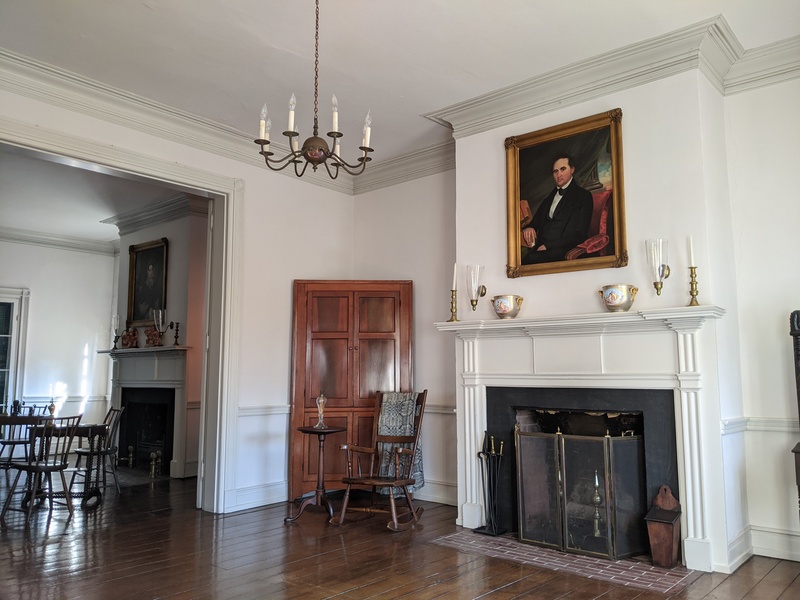
Sullivan Parlor The parlor features simple yet elegant details including mantels and woodwork, period furnishings and original oil portraits. Source: Historic Madison, Inc. Creator: Sarah Karns Date: 2021
Jeremiah Sullivan
Jeremiah Sullivan Oil portrait of Jeremiah Sullivan (date and artist unknown). Sullivan was a lawyer, an early state legislator and later a state Supreme Court justice. He suggested the name Indianapolis for our state capital city during a legislative meeting in the original state capital in Corydon. Source: Historic Madison, Inc. Creator: Photographed by Sarah Karns
Charlotte Cutler Sullivan
Charlotte Cutler Sullivan Oil portrait of Charlotte Cutler Sullivan (date and artist unknown). Charlotte bore 12 children during a 26 year span. 7 lived to adulthood. One of her sons became a Union General during the Civil War and another, Algernon Sydney Sullivan, a New York lawyer and Southern sympathizer, was jailed for his beliefs during the Civil War. He was a founder of the Sullivan and Cromwell law firm in Manhattan. Source: Historic Madison, Inc. Creator: Photographed by Sarah Karns
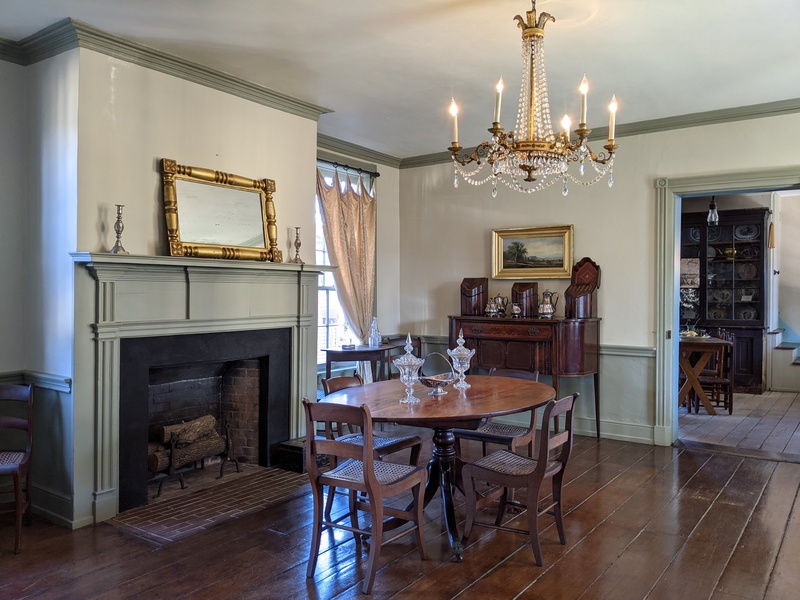
Dining room
Dining room The dining room is a gracious room with period furnishings including a number of Sullivan family treasures. Source: Historic Madison, Inc. Creator: Sarah Karns Date: 2021
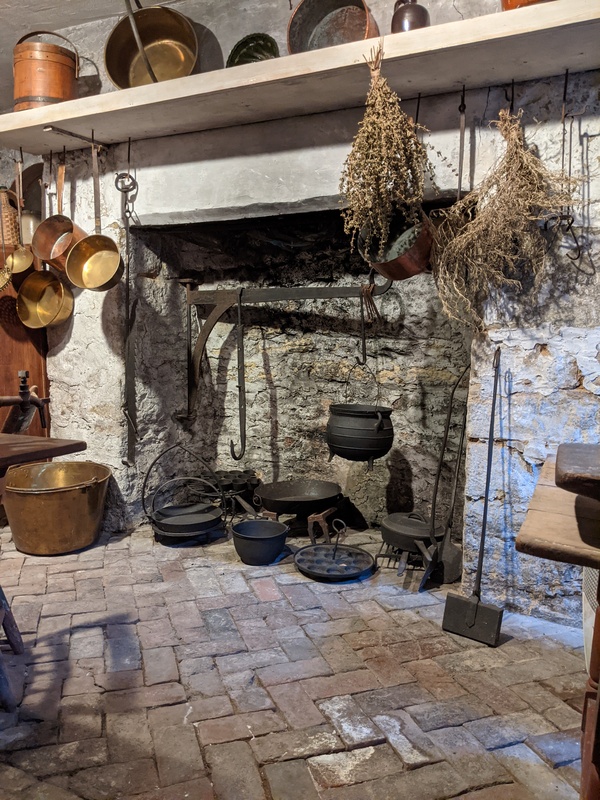
Basement kitchen
Basement kitchen The cooking was originally done in the basement kitchen on a large hearth. The wood burning fireplace was kept going for much of the year to cook meats, soups and other hot dishes. Most of the cooking would have taken place on the brick floor in front and to the side of the firebox. Source: Historic Madison, Inc. Creator: Sarah Karns Date: 2021
General Jeremiah Sullivan
General Jeremiah Sullivan General Jeremiah Sullivan, Jr. photographed by famed Civil War photographer Mathew Brady in his New York City studio. This image was made in 1863 after Sullivan received his rank of Brigadier General, according to a family letter. Source: Historic Madison, Inc. Creator: Mathew Brady Date: 1863
Algernon Sidney Sullivan
Algernon Sidney Sullivan Algernon Sidney Sullivan circa 1855 at age 29. He survived the scandal of his Civil War imprisonment and went on to be one of the most respected, trusted men in New York City. A fountain erected in his honor remains there to this day. Source: Historic Madison, Inc. Date: 1855

Location

304 W 2nd St, Madison, IN 47250

Metadata

Historic Madison, Inc., “Jeremiah Sullivan House,” Discover Indiana, accessed October 22, 2026, https://discoverindianahistory.org.curatescape7.reclaim.hosting/items/show/578.