The Greenville Settlement – Union Literary Institute and James Clemens Home
Free Blacks and the Underground Railroad
Free Blacks and formerly enslaved Africans living in northern states like Indiana and Ohio were instrumental in providing support for freedom seekers along with white Americans. Though their history is not as well recorded, there are individuals and settlements whose history has been preserved through oral history and local historical societies. One such community was the Greenville Settlement, known today as Longtown which is located in Southwest Ohio roughly a mile from the Indiana state line. As one of the oldest free Black settlements in the region, the town’s population peaked at around 900 residents by 1880. It was largely settled by formerly enslaved and free Black families.
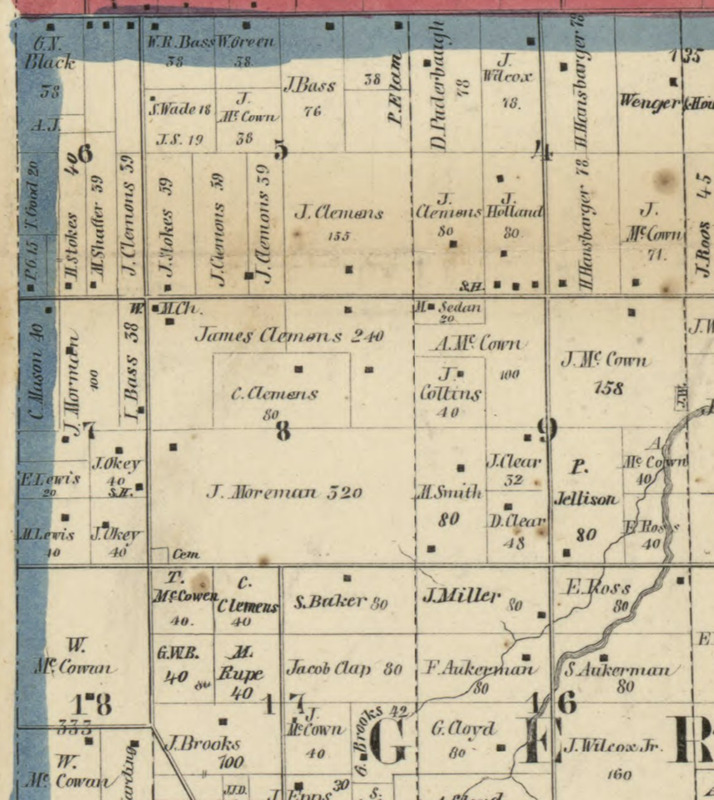
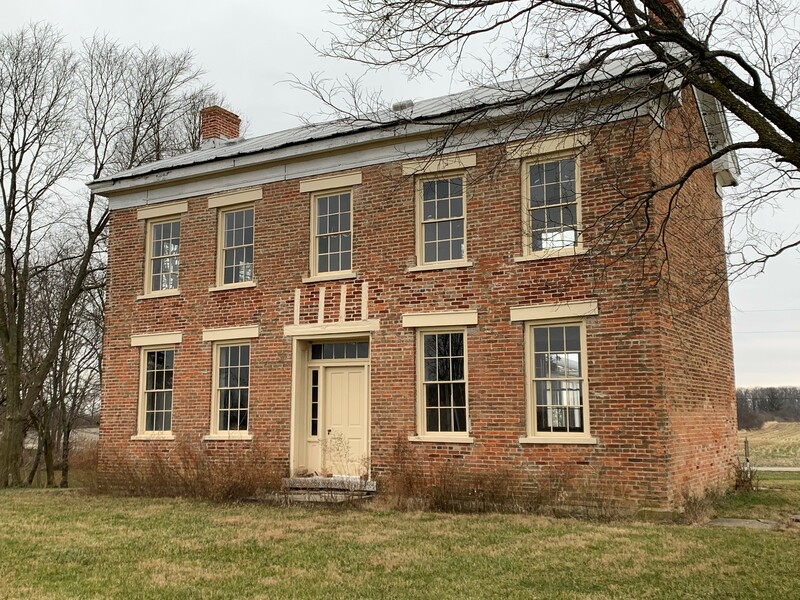
Levi Coffin knew the Greenville Settlement well as he often led freedom seekers to the area. James Clemens may have been one who received aid from Coffin. James Clemens was the first to settle in the area in 1822 arriving from Virginia. Today, the Clemens home still stands and is managed by the Union Literary Preservation Society. It recently received an Ohio historical marker. As a recognized Underground Railroad site by the National Park Service’s Network to Freedom, this home represents much to the local area as a reminder of the settlement’s heritage.
Coffin does speak of another Greenville Settlement landmark in his autobiography known as the Union Literary Institute, or ULI. Located on the Randolph County, Indiana side of the settlement, the ULI was a joint educational venture between the anti-slavery friends of Newport, Indiana, and the families of the Greenville Settlement. First begun in 1846, the ULI was a school where reading, writing, arithmetic, and vocational skills were taught. It is believed that ULI was the first school in the United States to accept students of all races. Coffin notes that he and several other Underground Railroad operatives referred freedom seekers to the ULI to receive educational opportunity, which was free to any student willing to do four hours of manual labor each day. Today all that is left of the ULI campus is one building.
Images