Guinea Bottom: The Earliest Black Settlement in Jeffersonville Township
The Earliest Black Settlement in Jeffersonville Township
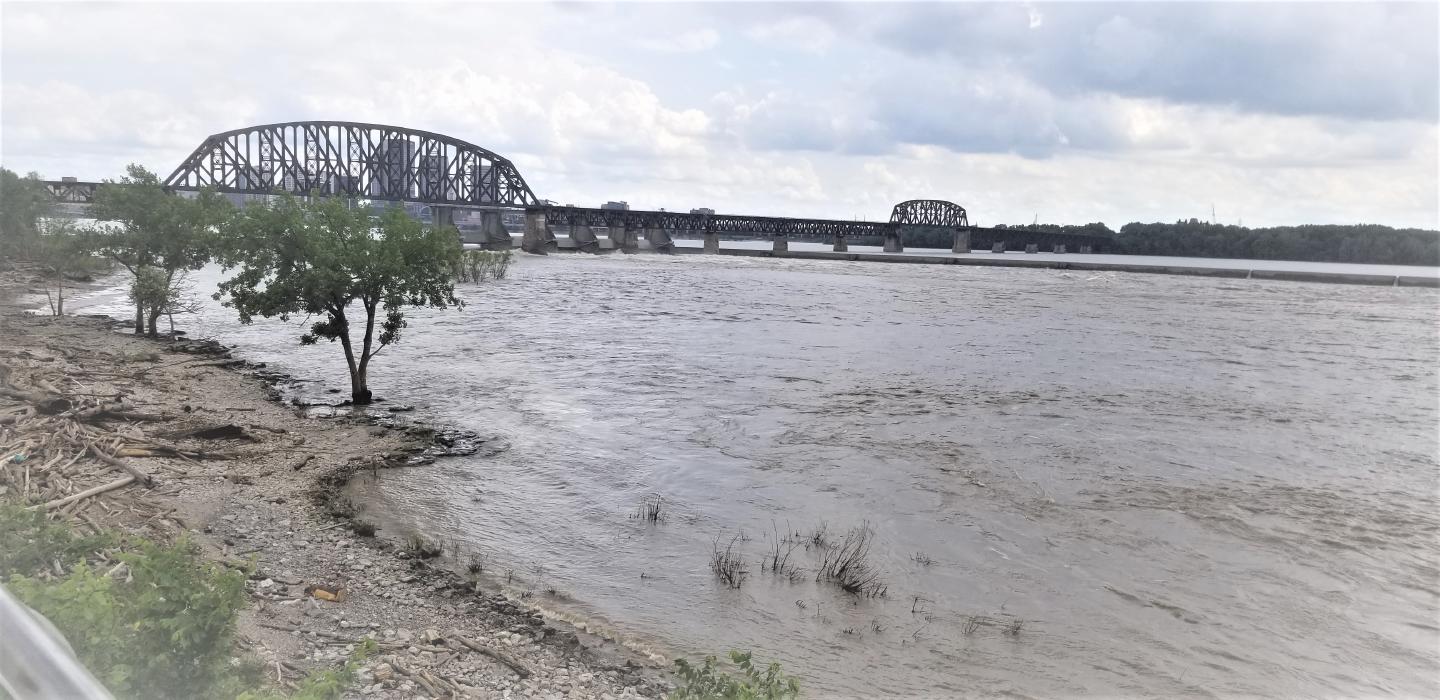
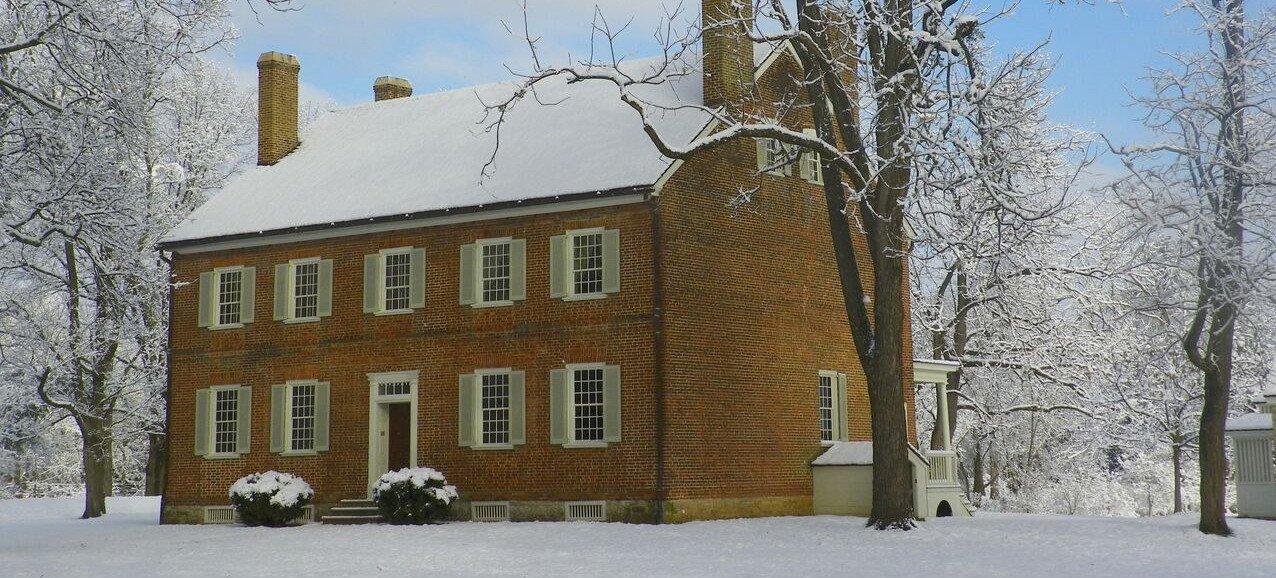
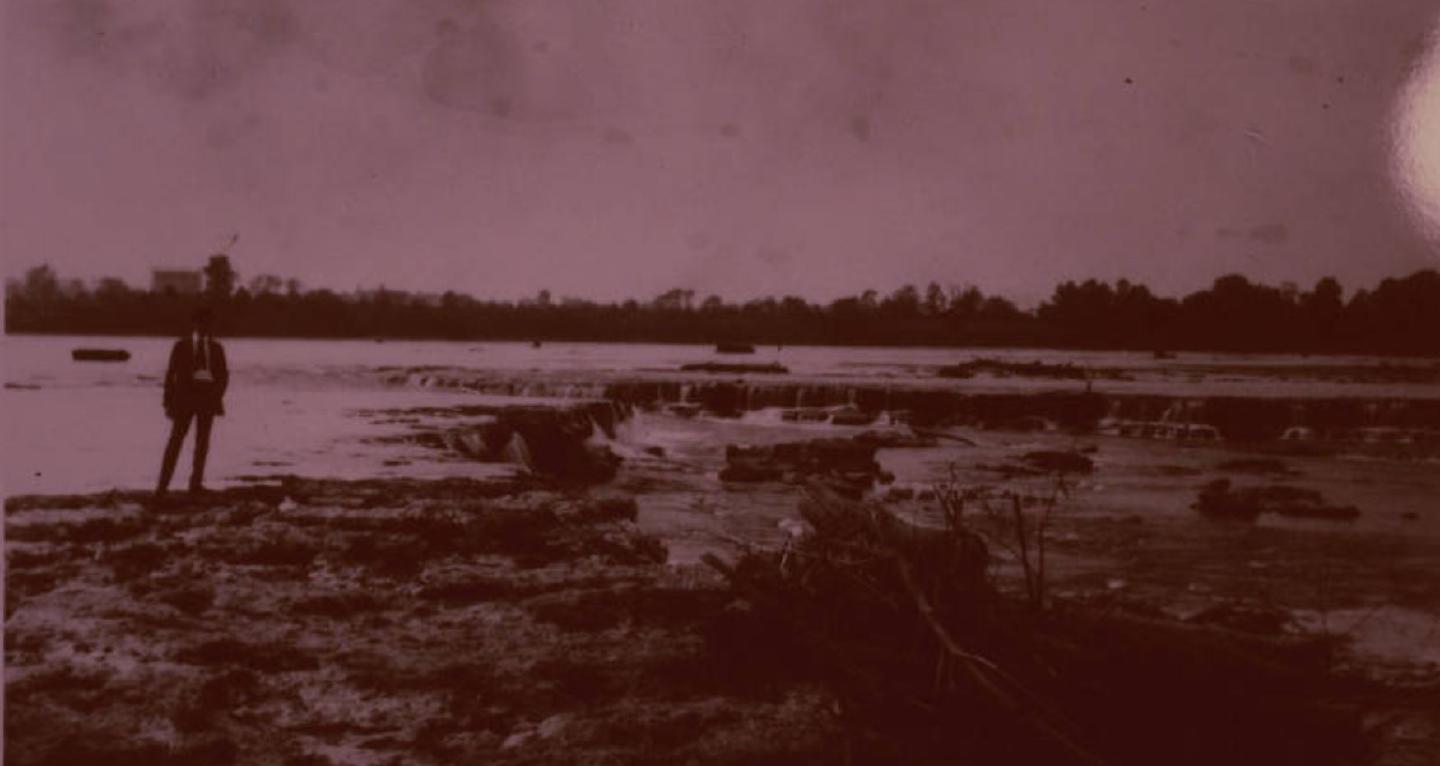
Falls of the Ohio State Park’s George Rogers Clark Homesite in Clarksville, Indiana is located near what was Guinea Bottom, an early Black settlement established for the convenience of the wealthy, powerful, White Clark County residents who came to early Clarksville with people they had indentured.
In Guinea Bottom, the 1820 U.S. Census recorded the household of fourteen year-old Ben McGee and a similarly-aged Black woman who shared his home. Their youth suggests that they may have been descendants of Ben and Venus McGee, who were indentured by George Rogers Clark. Originally a surveyor in Kentucky, Clark served as part of the Virginia Militia that would fight British and Native peoples in the lands that would become Ohio, Indiana, Illinois, Michigan, Wisconsin, and northeastern Minnesota.
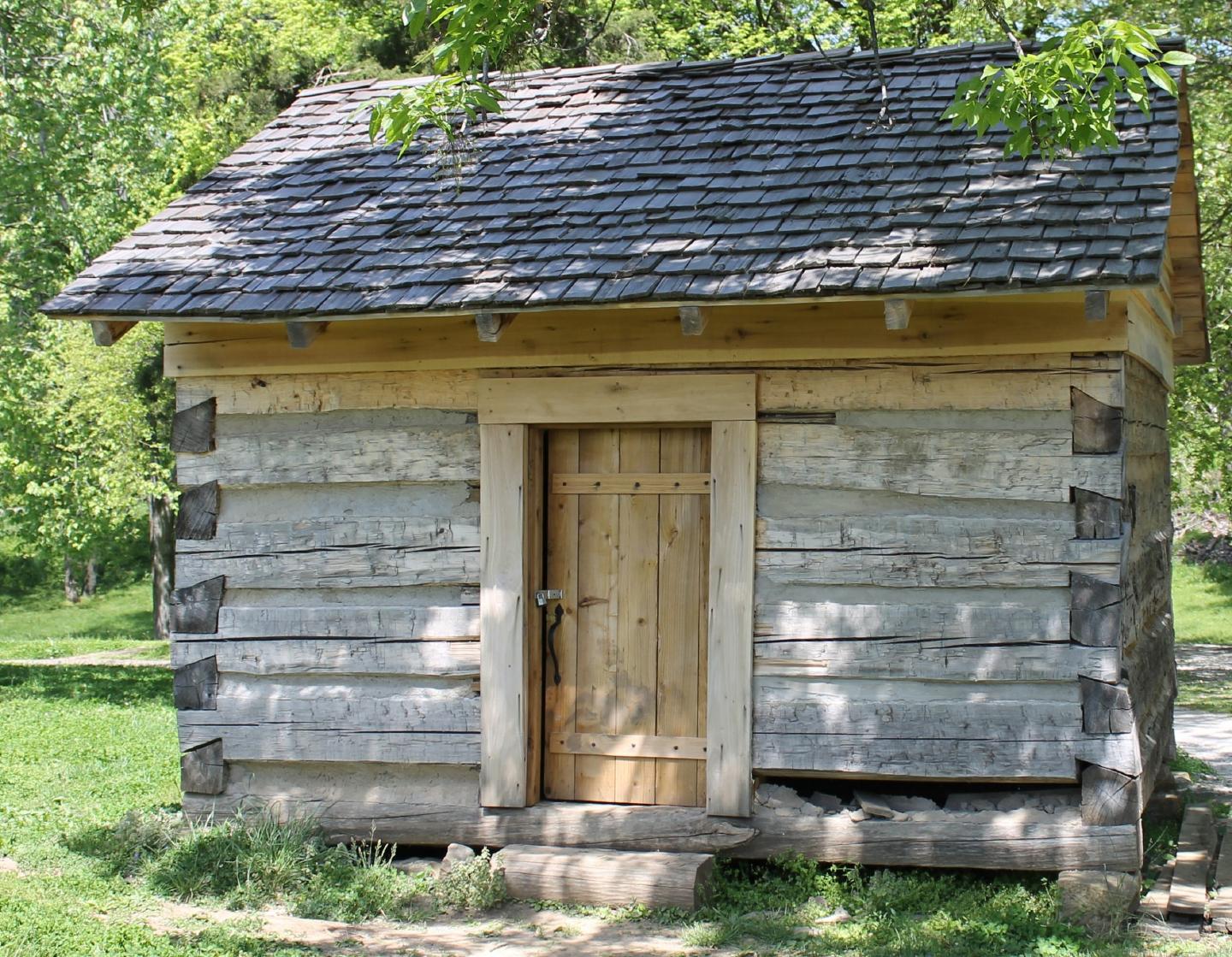
A tiny cabin at the George Rogers Clark Home Site in Falls of the Ohio State Park, built in a fashion similar to that of slave cabins, gives viewers some idea of the difficult life Ben McGee and his wife Venus would have lived. Clark freed Ben McGee in 1802, only to force him into a 30-year indenture the next day, according to documents discovered in the Jefferson County, Kentucky Archives by local researcher Maxine Brown.
While the details of Clark's transaction with McGee are not known explicitly, many white settlers forced enslaved people to sign indentures before they entered Indiana or shortly after settling in an Indiana county. An early register of indentures held by the Indiana Archives lists 30 such indentures in Clark County alone. Once in Indiana, indentured people could be bought and sold. They had few rights even after their indentures ended and they became free.
The practice of indenturing African Americans before entering free or undecided territories obeyed the letter of the law. Pro-slavery sentiment was strong in Indiana Territory,however, and some white settlers entered the territory with Black people held in bondage. By 1810, the U.S. Census recorded more than 81 enslaved people in Clark County. When Indiana sought statehood, anti-slavery activism won out. Indiana's first constitution prohibited slavery within the boundaries of the territory, although this law was not uniformly followed.
An 1889 article in the Jeffersonville Evening News relates the tale of settler Randall Yarbo, who noted that George Rogers Clark kept an enslaved family consisting of "Uncle Tom and Aunt Esther, with twelve children" in Guinea Bottom until Clark's death when "they wandered away." The same article states that the Goodwin family also used Guinea Bottom to house Blacks forced into servitude. In 1905, the Jeffersonville National Democrat noted that Clarksville intended to excise the area known as Guinea Bottom from its borders in order to eliminate Black residents from the town, possibly to avoid the expense of providing new city utilities, including water and sewer.
Images