Pleasant Run Children's Home
In the wake of the Civil War, a growing number of American children were left orphaned. In response, members of the Germania Lodge No. 3, a German American fraternal society, founded the Deutscher Allgemeiner Protestantischer Waisenverein (German General Protestant Orphan Association) with the goal of sheltering 50 to 100 displaced children at a time. The first three children arrived in 1873.
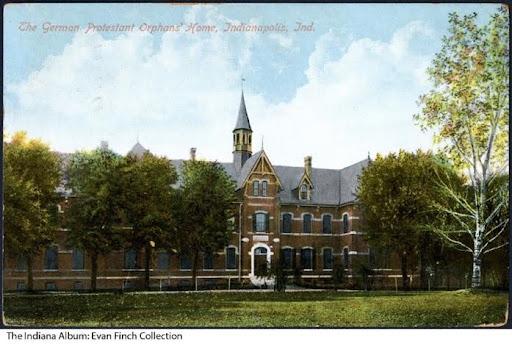
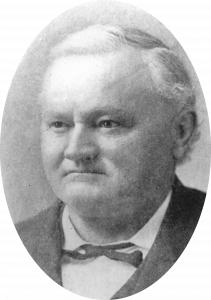
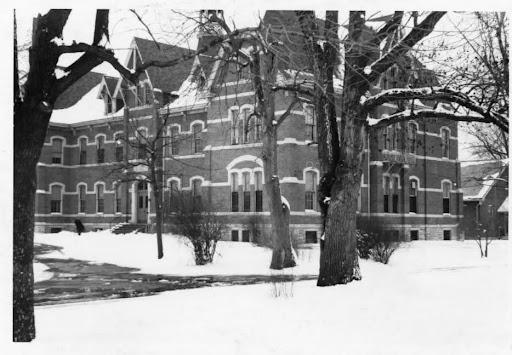
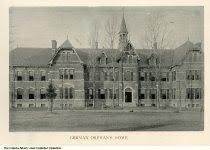
To design the orphanage, the founders commissioned Diedrich A. Bohlen, a first-generation German immigrant and one of Indianapolis’ most influential architects. The result was a grand 2.5-story building with nearly 25,000 square feet of living space. Bohlen’s design blended German and American architectural styles of the late 19th century. Set on a 13-acre estate, the orphanage functioned as a largely self-sustaining institution. It was complete with pastures, vegetable gardens, a vineyard, and an orchard. Many of these operations were maintained with the help of the children who lived there.
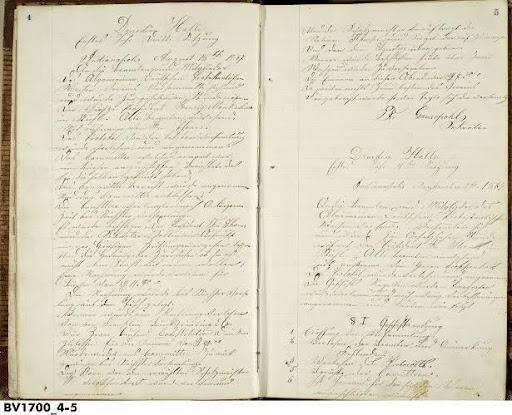
Most of the orphanage’s founders were first-generation German immigrants who deeply valued the preservation of their culture. As a result, the institution operated primarily in the German language, which was taught to all children regardless of their background and used in all daily activities. A brick plaque still visible above the front entrance bears a Fraktur inscription: “Allgm. [Allgemeine] Deutsch Prot. [Protestant] Waisenhaus gebaut A.D. 1871” (“General German Protestant Orphanage built A.D. 1871”), a lasting testament to its origins.
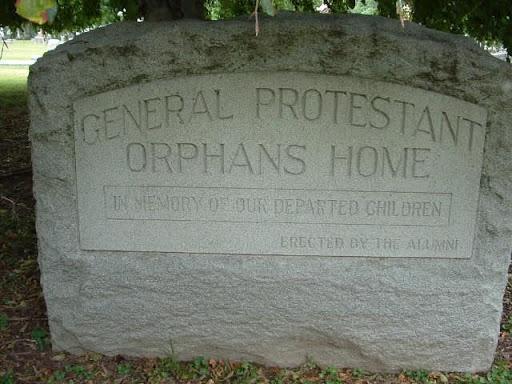
However, anti-German sentiment during World War I brought dramatic changes. In 1918, the use of the German language was discontinued, and by 1919, the home was renamed the General Protestant Orphan Association, distancing itself from its cultural roots. As foster care became more common in the United States during the 20th century, the need for traditional orphanages declined. In response, the organization shifted its mission to provide temporary housing for abused, abandoned, or neglected children, renaming itself the Pleasant Run Children’s Home in 1971.
The organization used the building for over a century, and it was added to the National Register of Historic Places in 1984. Although the Pleasant Run Children’s Home closed in 2001, the building remains a powerful symbol of Indianapolis’ early German American heritage. Today, it serves a new humanitarian mission as the Salvation Army's Harbor Light Center, which supports adults recovering from addiction through treatment programs and transitional housing and continuing a legacy of care first envisioned by its German founders.
Images